The Future of social spaces was an 11 weeks long academic research project conducted in Forres, a small town in the Scottish Highlands. The project started with the exploration of an over-arching theme, The future Of High Street which quickly narrowed down to – “How might we re-define the social spaces on High Street to encourage communication?
Role – Ethnographic research, Visualisation, Storyboarding, Direction & Strategy
Historically, high streets in the UK were central corridors for commercial activities in towns and cities. With increasing numbers of out of town supermarkets and online giants, including several other factors, the physical shopping has been on a decline, impacting local business activities.
EXPLORATORY RESEARCH
We collaborated with the local residents, community trust and heritage trust to explore different possible and desirable futures for the High Street in Forres. It started with an exploration of functional changes on High Street in the past, followed by de-construction of the current High Street to understand what brings people to the High Street for conceptualising future scenarios.
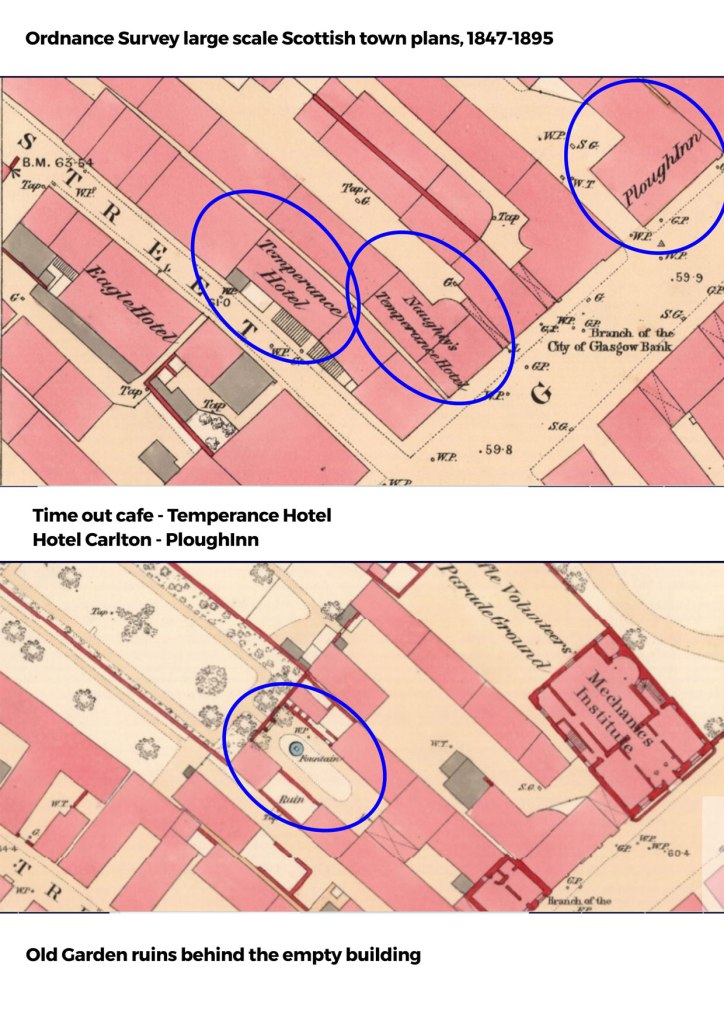
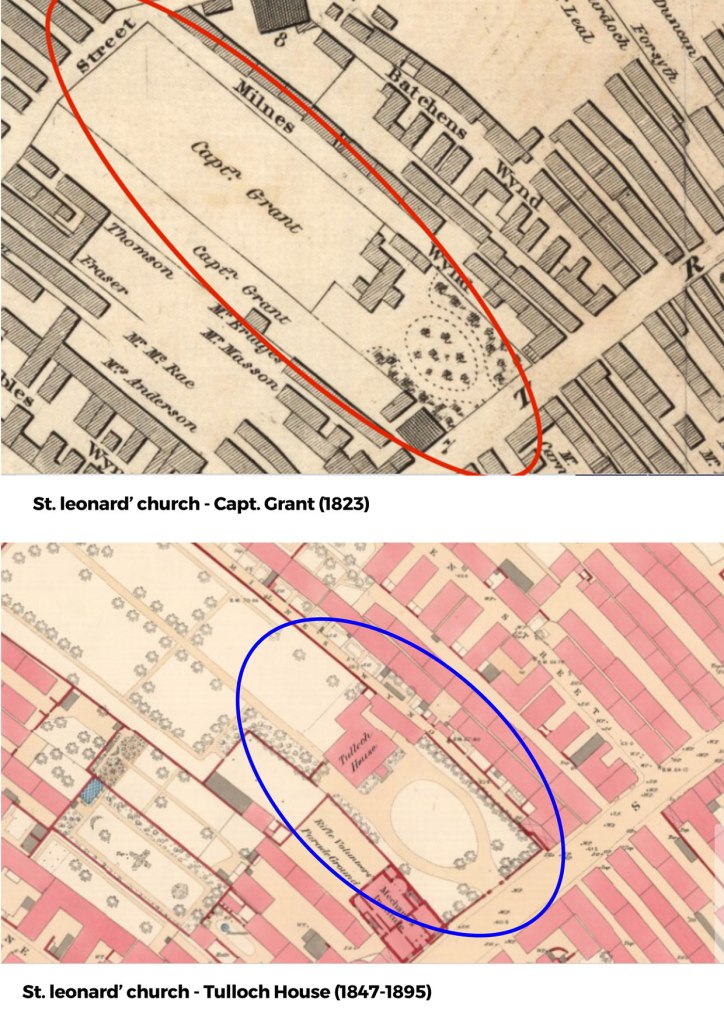
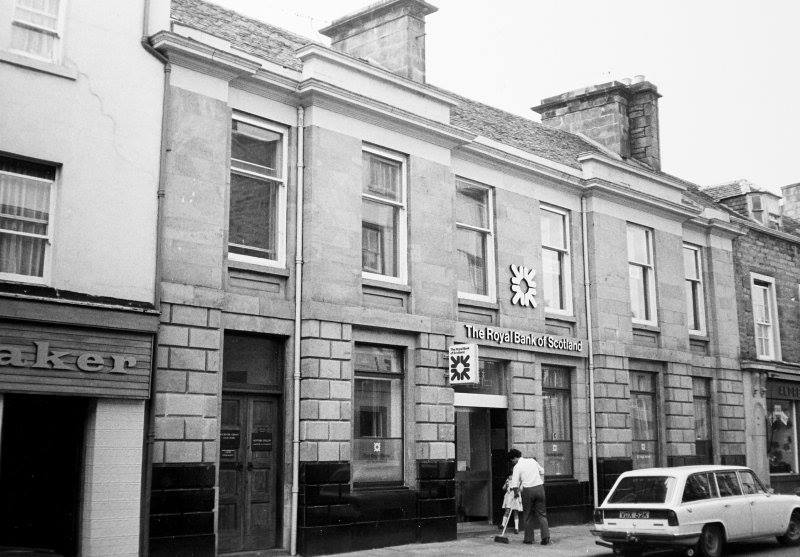
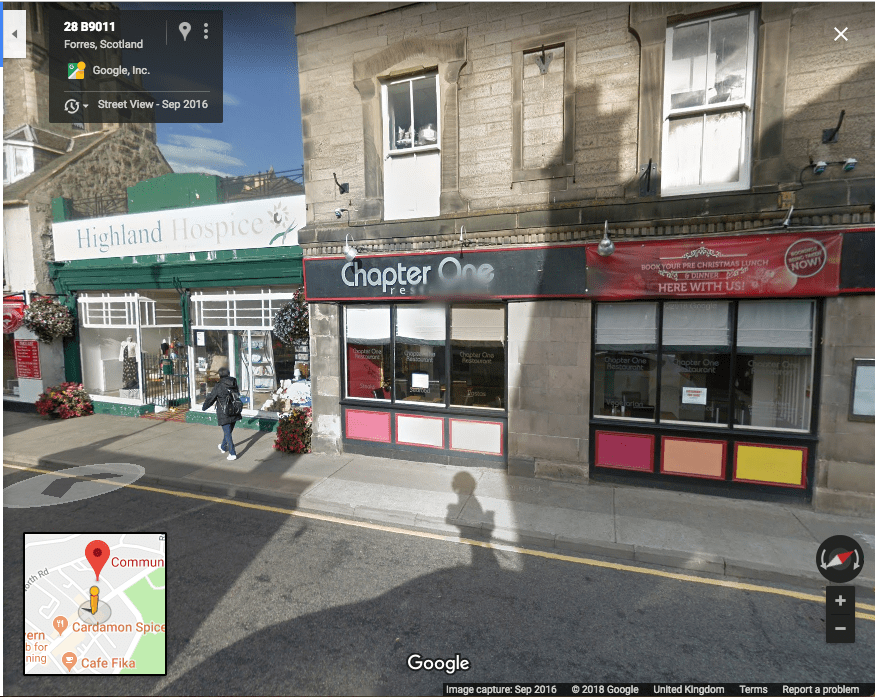
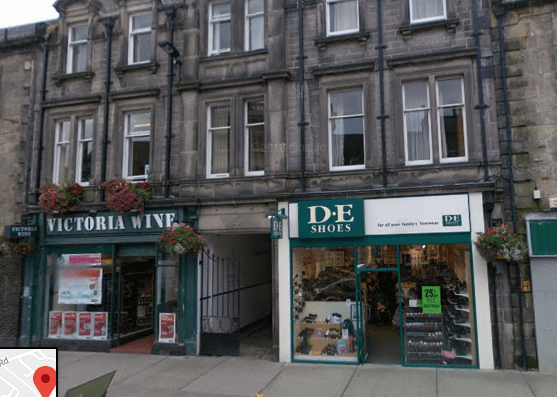
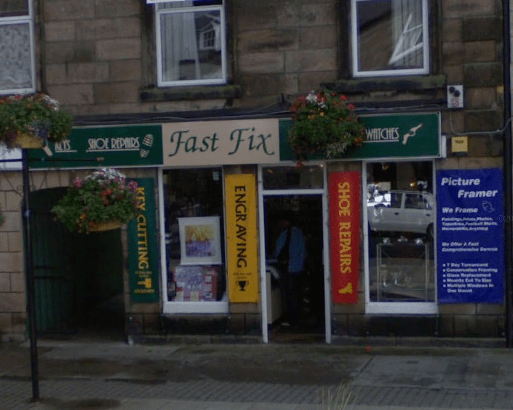
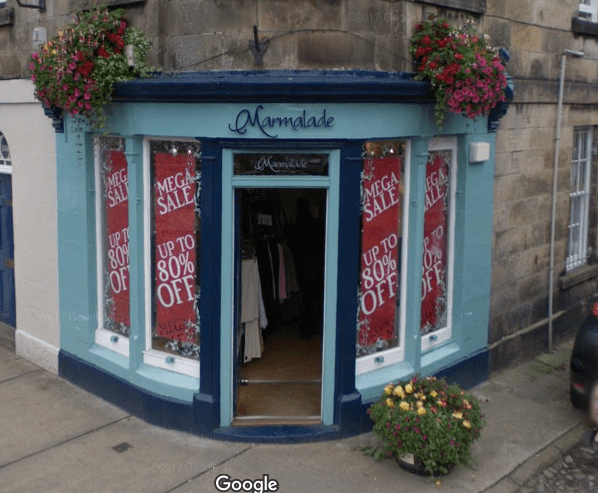
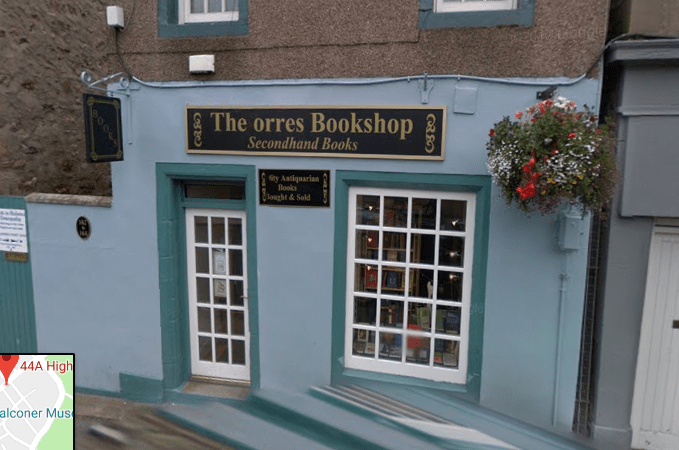
I analysed at the cartographic record and old pictures of the High Street shared by the Forres Heritage Trust. We also explored the old high street via google street view to better understand the change the town has been through. It was evident that the town flourished until the early nineties and started devolving later with businesses shutting down and increasing number of unoccupied shops.
MOVEMENTS ON THE HIGH STREET
To better understand the current functional usage of High Street, we held a pop-up to engage with local people. Engaging with 37 participants asking questions like – What brings you to the High Street? What do you miss on the present High Street? What were the contributing factors for the changes on High Street? Based on their response a pattern started emerging which showed majority of people were visiting High Street for either banking or grocery purposes.
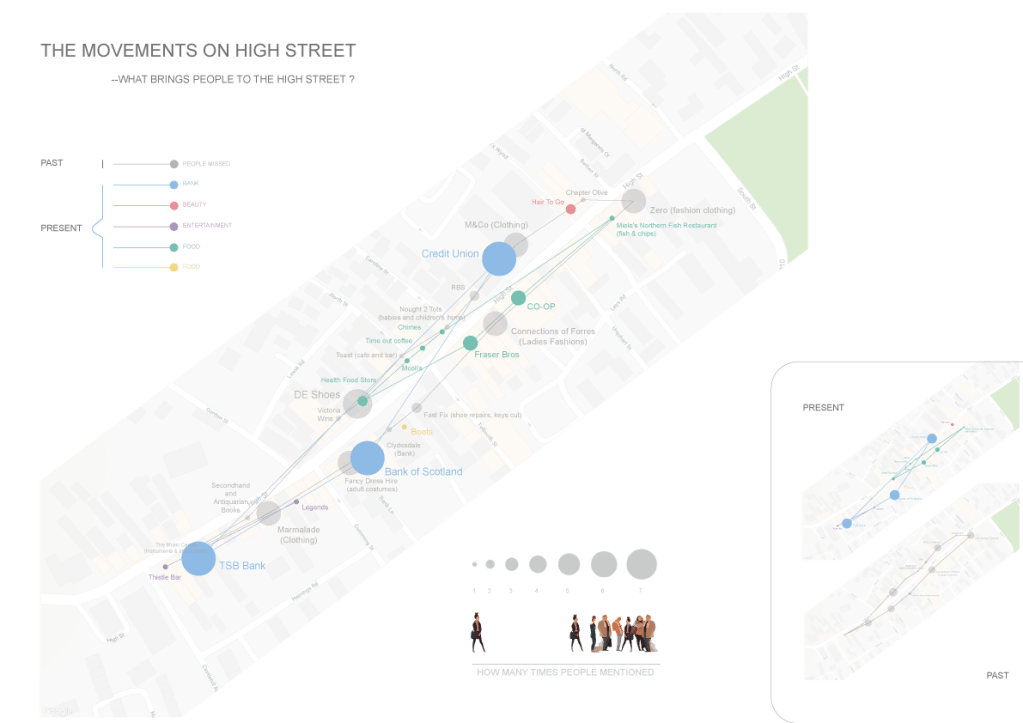
It was also pointed out that with introduction of supermarkets just outside of town impacted local businesses. Combined with increased running costs several businesses were shut down, which also led to reduced movement on the High Street affecting the life of local people.
ANALYSING THE EVIDENCE
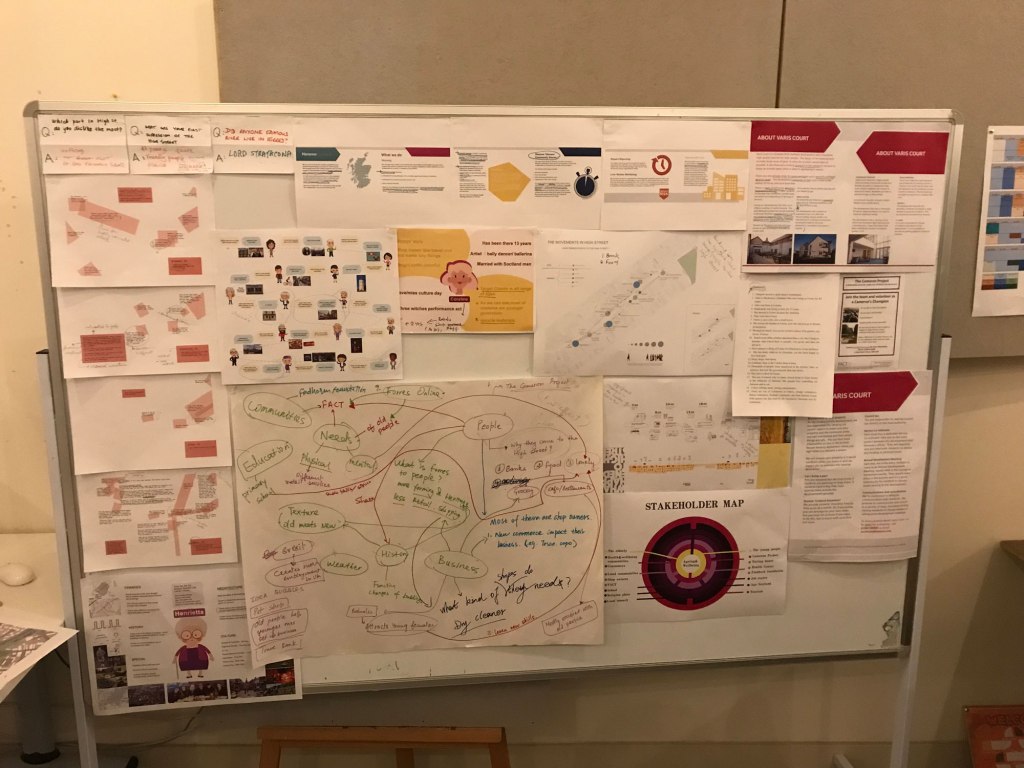
By analysing the collected evidence through our secondary and primary research, it was evident that commercial activities on the High Street were not just to access a multitude of services but also to socialise with each other beyond their first and second space. The narratives shared were indicative of lesser opportunities to meet new people and fewer means to socialise with each other. This led us to identify opportunities in the context of social interaction in Forres.
CHANGING TRADITIONS
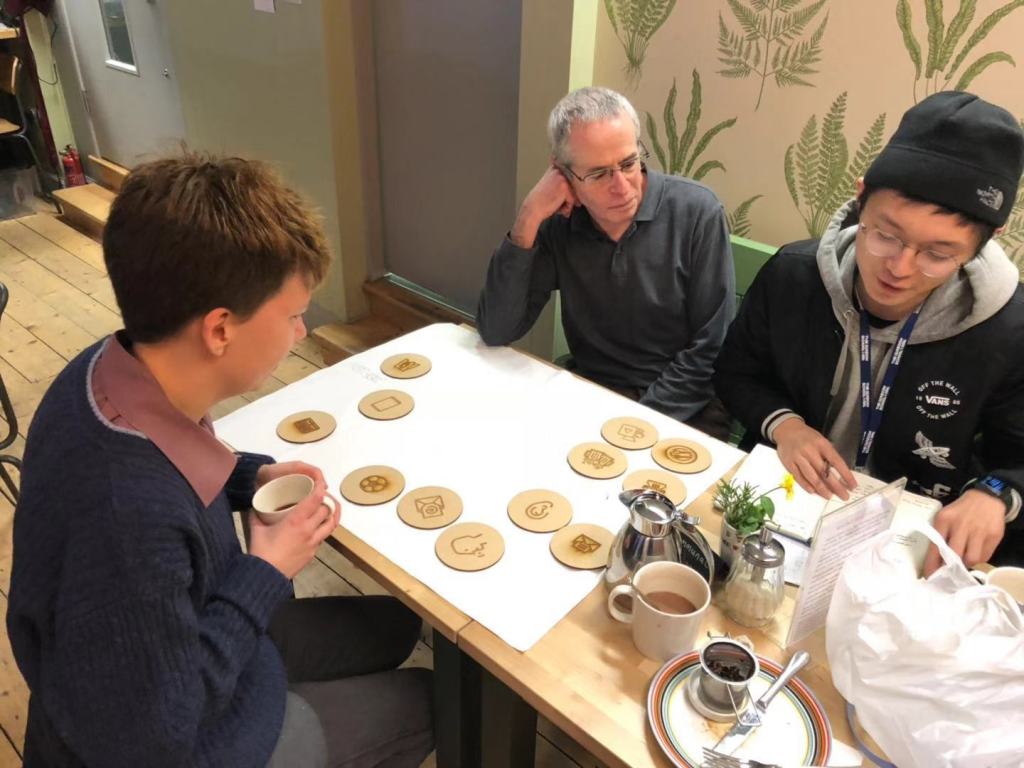
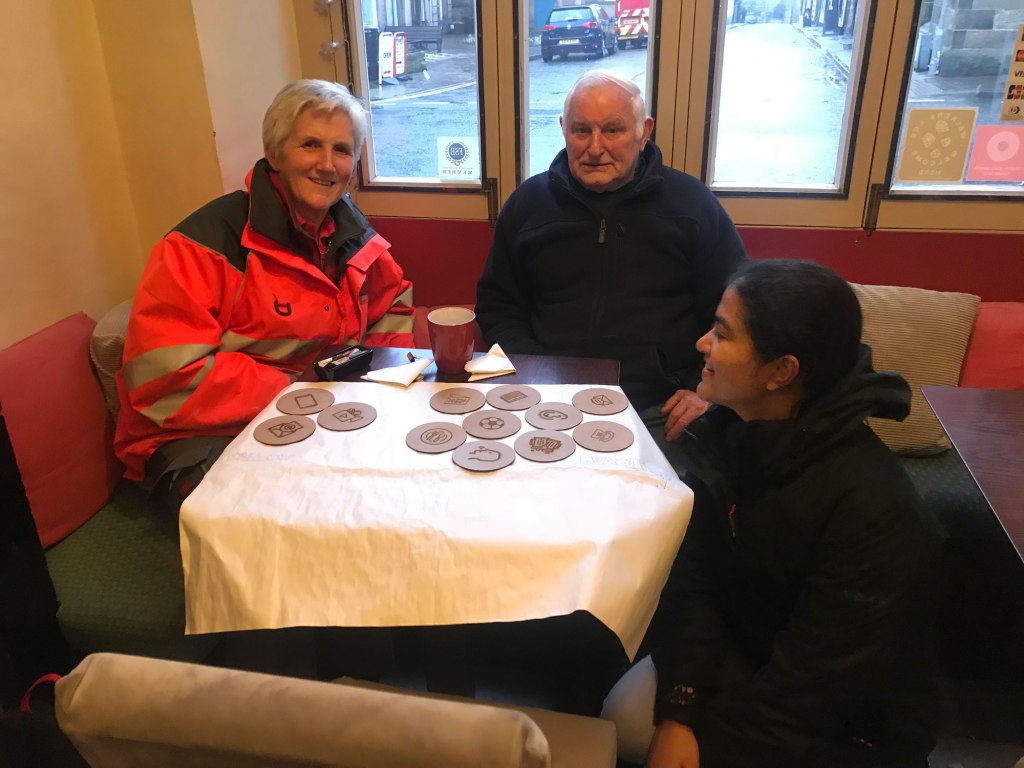
Along with the physical social spaces, we were interested in learning the impact of technology on social lives of people in Forres. We conducted mini workshops with owners of different cafes and local people visiting those cafes using generative research methods to better understand how the changing landscape has affected their lives.
A POSSIBLE FUTURE
It was evident that both technology and shrinking High Streets left fewer avenues for people to interact.
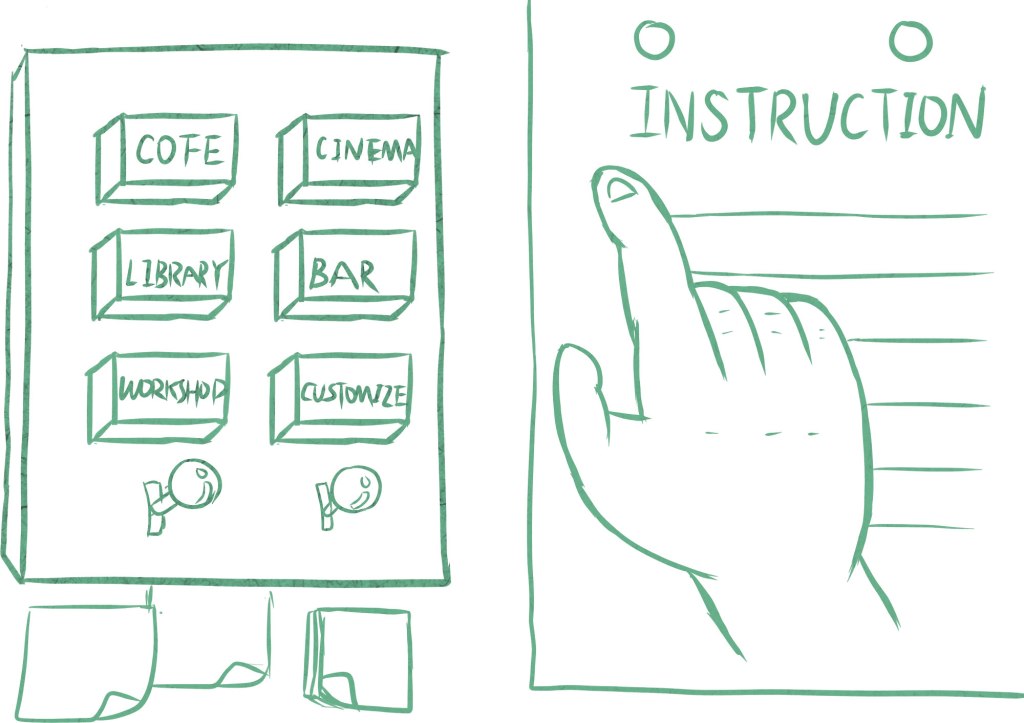
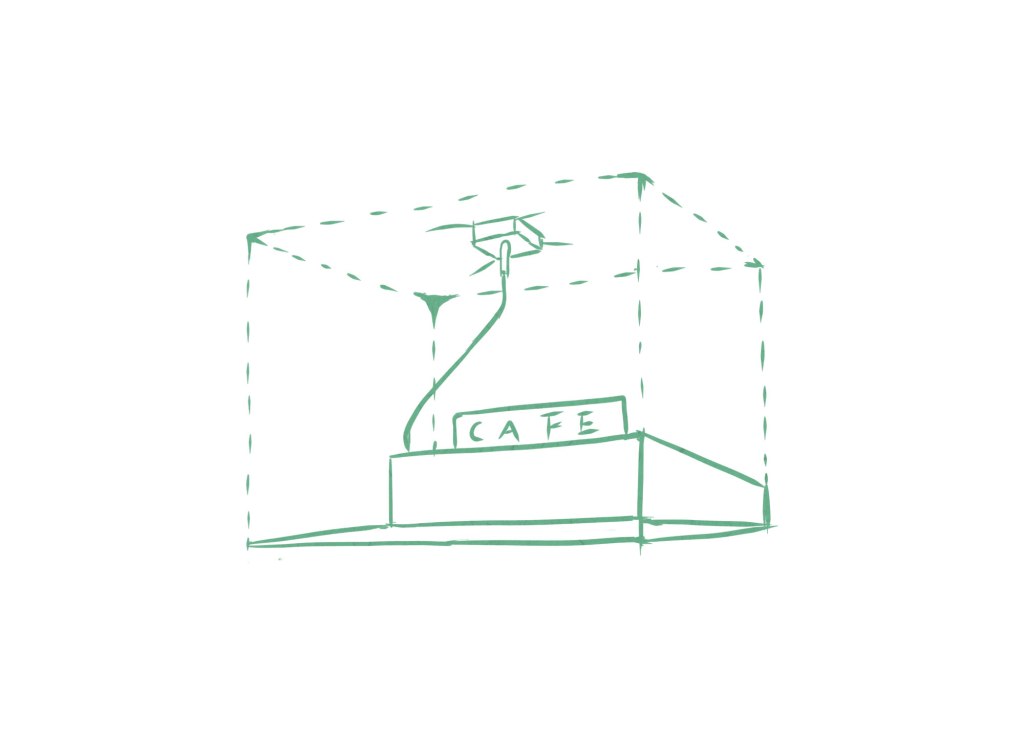
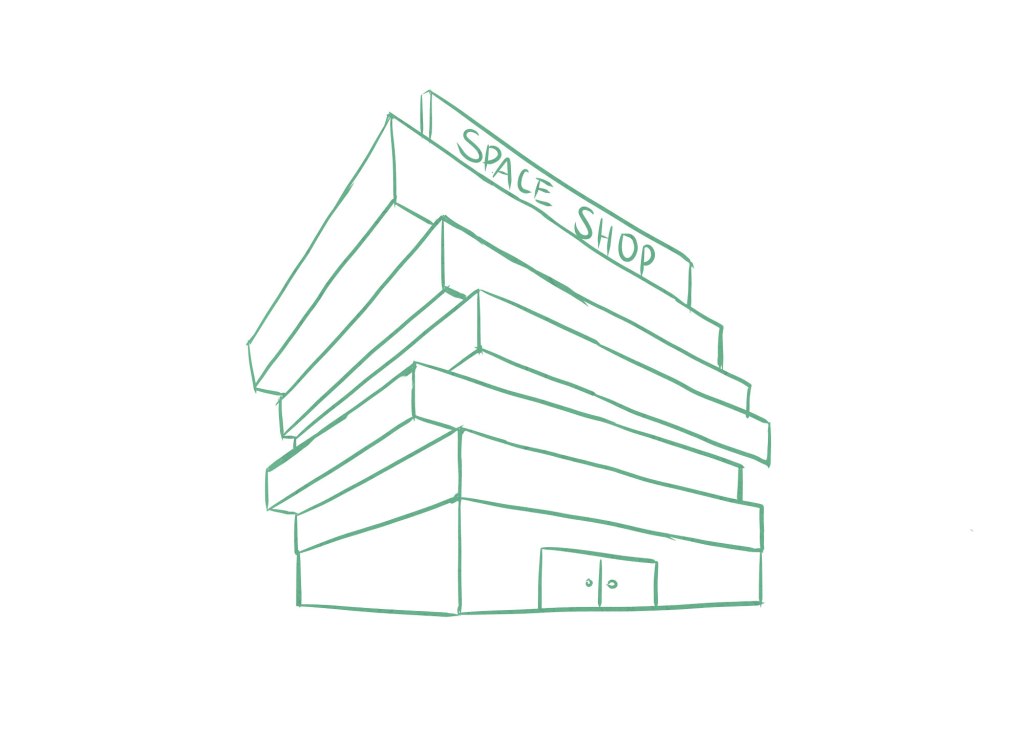
Based on the inquiry we designed a near future possibility in which an existing High Street shop can be re-purposed for multifunctional uses to encourage shared community utilisation of existing empty shops on High Street.
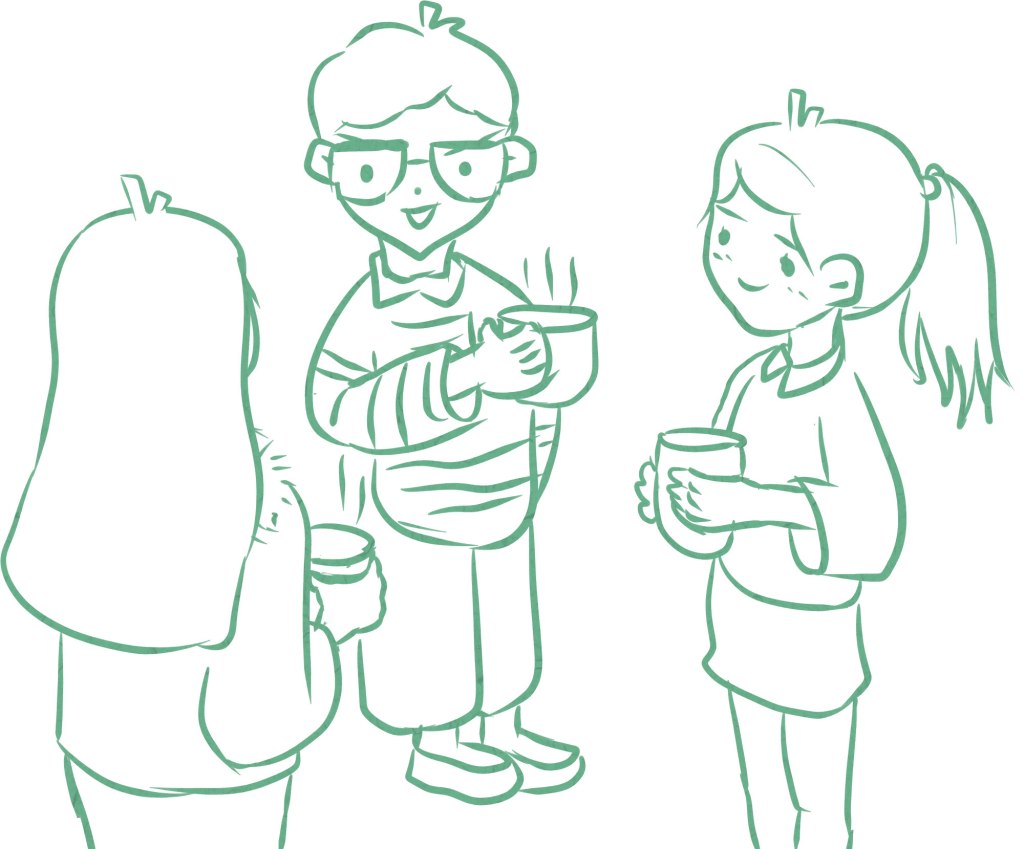
This would also encourage small-scale businesses to slowly gain pace in the local market. The idea gives ownership of the space to local people who can collectively use the space based on a voting system for different purposes. The collective ownership will enable more physical interactions.
To sense check the idea we shared it with local people and local council. The council shared keen interest in our idea and there was critical discourse around how to solve the problem of individuality at the level of a town.
 Isha Goyal