We are all in the middle of climate crisis and a multitude of other environmental problems. While going sustainable offers a leverage point to offset the carbon emissions, understanding ecological interdependencies could provide a deeper leverage point to encourage a sustainable change.
There is a perpetual feedback loop that exists in nature, most forms of life work in the rhythm of this loop to sustain the balance of ecological cycles. With the intelligence of human species and tools created to subdue nature and its resources, we have shifted the systems of Earth and alienated ourselves from nature.
Re-thinking Nature is an exploration of the connections between humans and nature which are beyond utilitarian to build mutually beneficial relationships. The project takes a grassroots approach to increase awareness about the interrelationships in local biodiversities thus, strengthening ecological connections for future-proofing and community resilience.
The project was conducted in Forres, a small town in Scotland. It was done in collaboration with people from the wider community, community groups and field project co-ordinator from Trees for Life, all working on different levels with nature.
EXPLORATORY RESEARCH
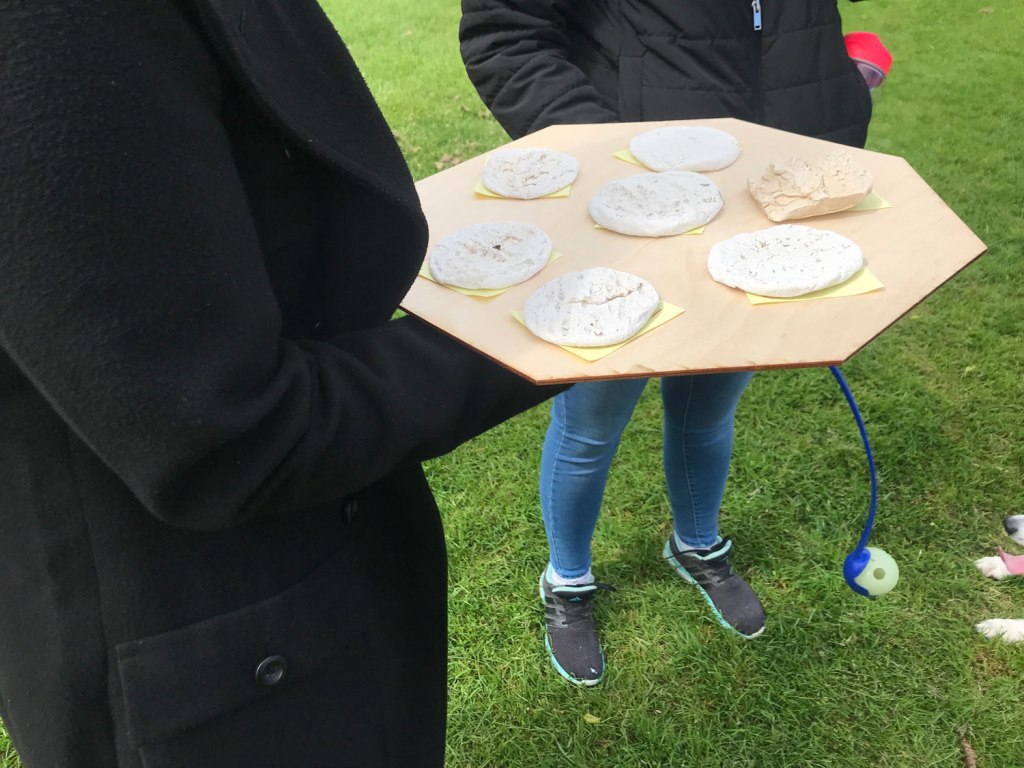
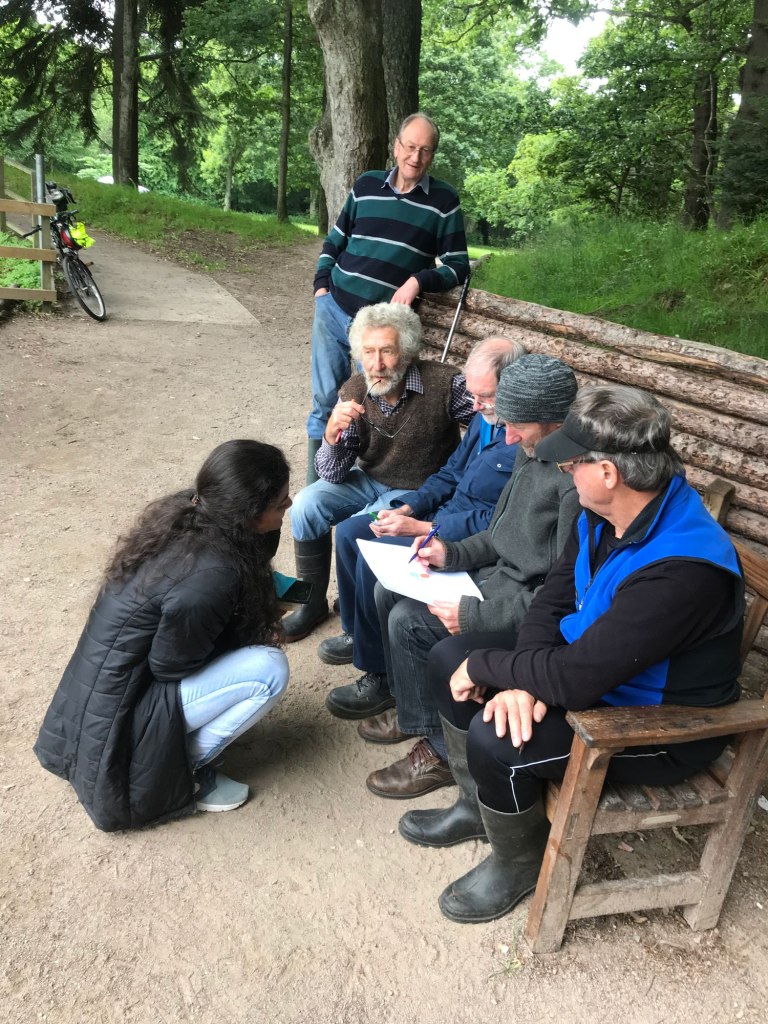
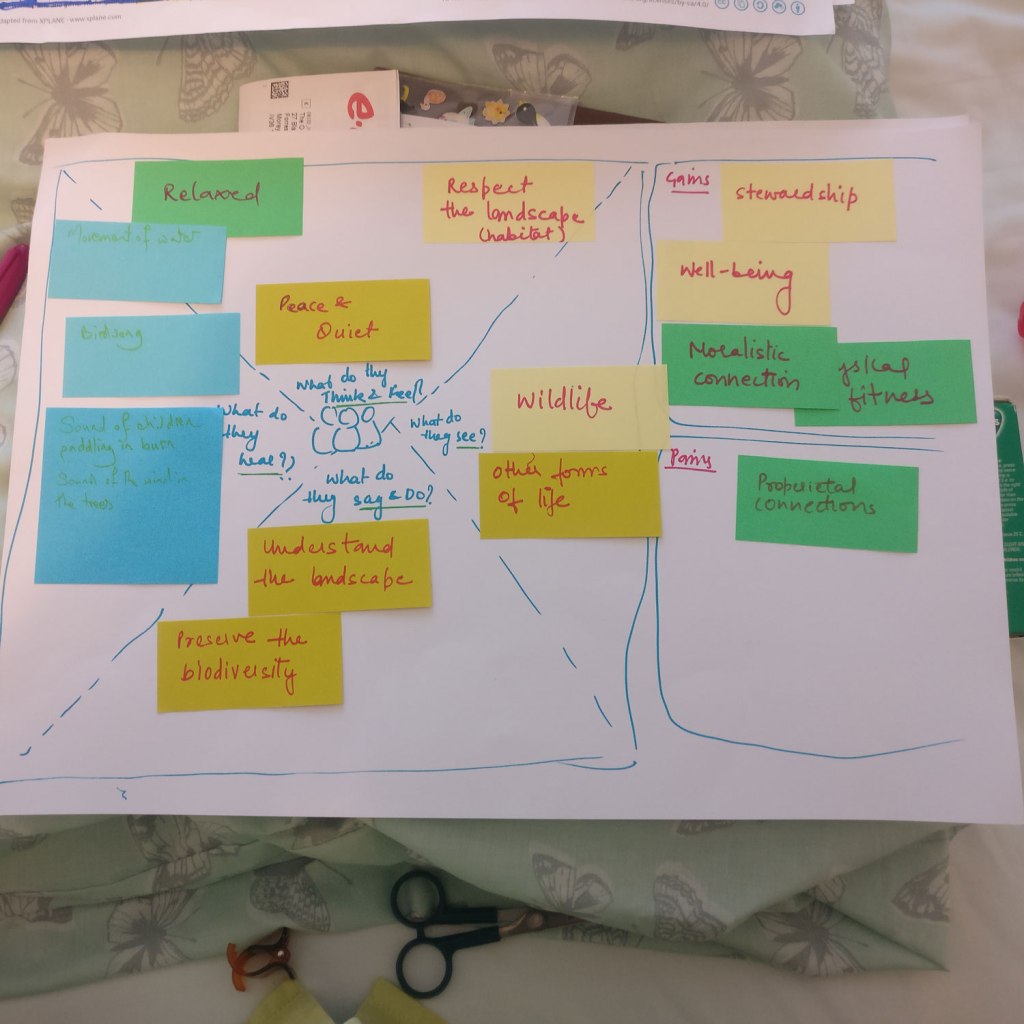
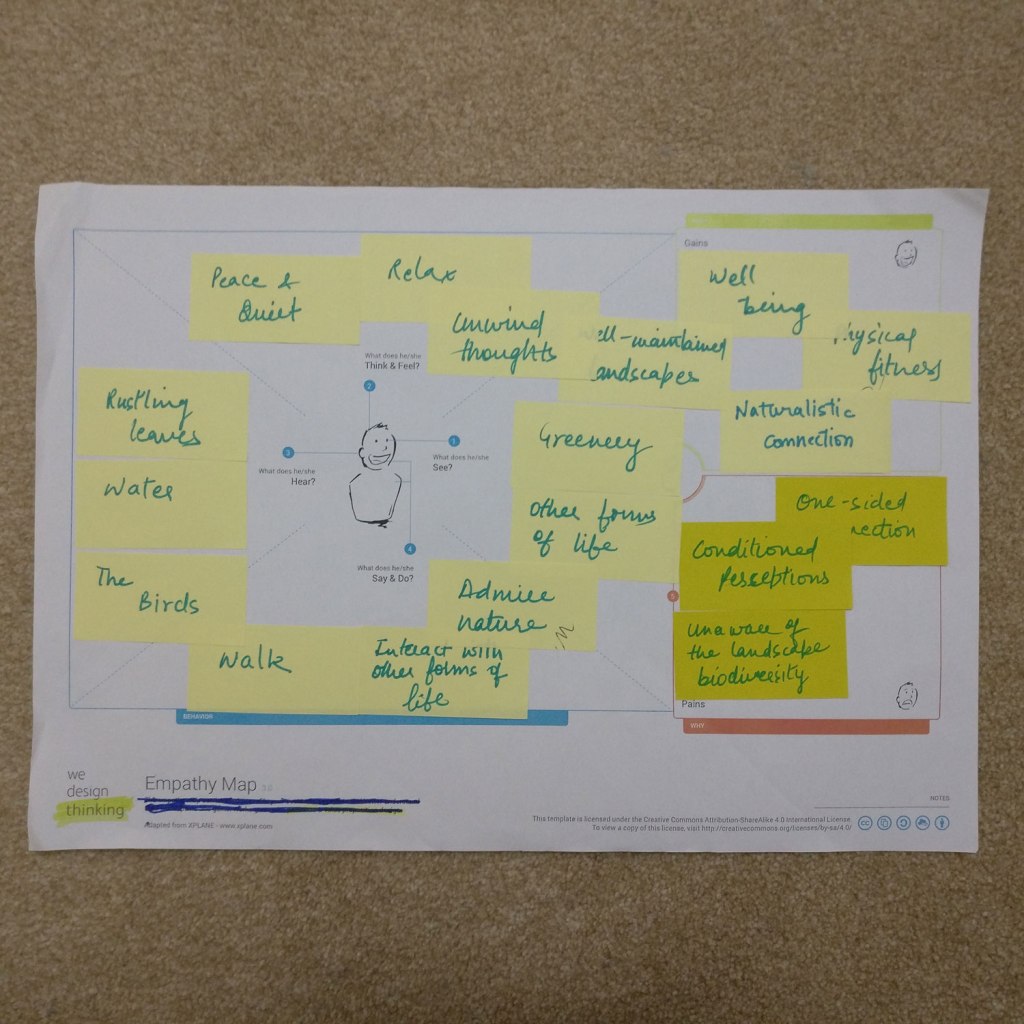
I used boundary objects/spaces and tactile engagement tools to understand the personal affiliations of people (not involved in conservation directly) with nature and how they perceive natural/semi-natural landscapes at large.
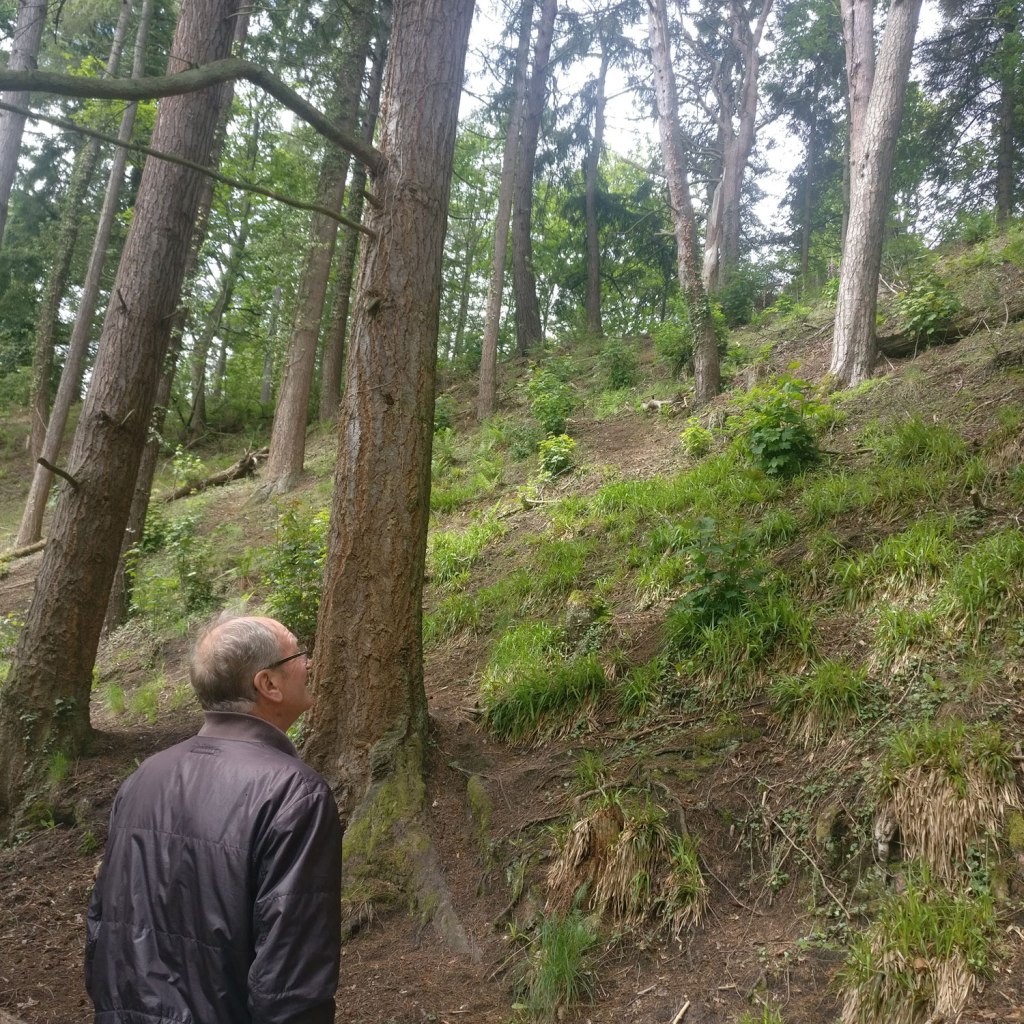
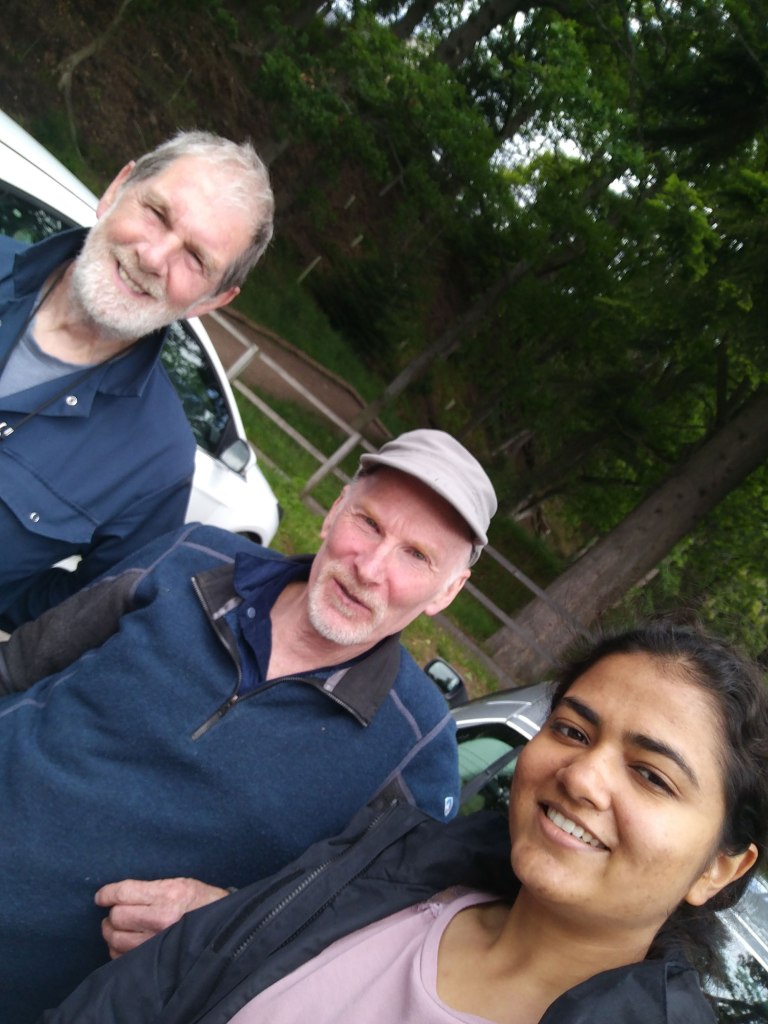
INTERVIEWING THE STEWARDS
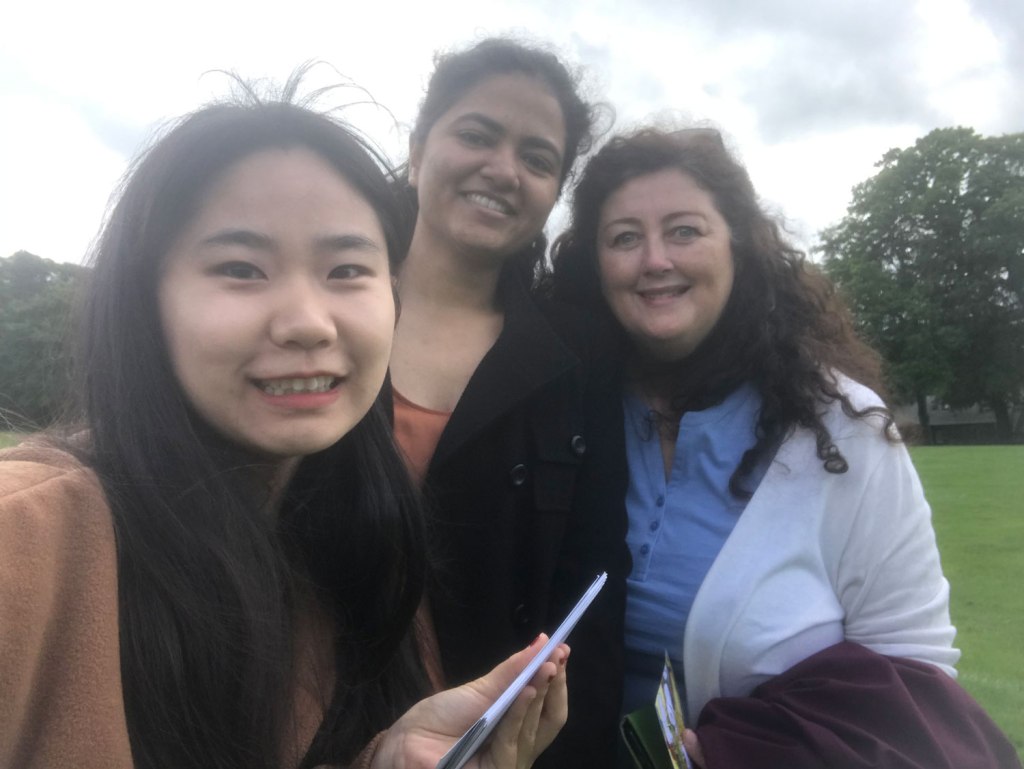
To add another layer of perspectives, I interviewed a group of conservationists to better understand their relationship with nature and the purpose of their work.
COLLABORATING WITH NATURE GROUPS
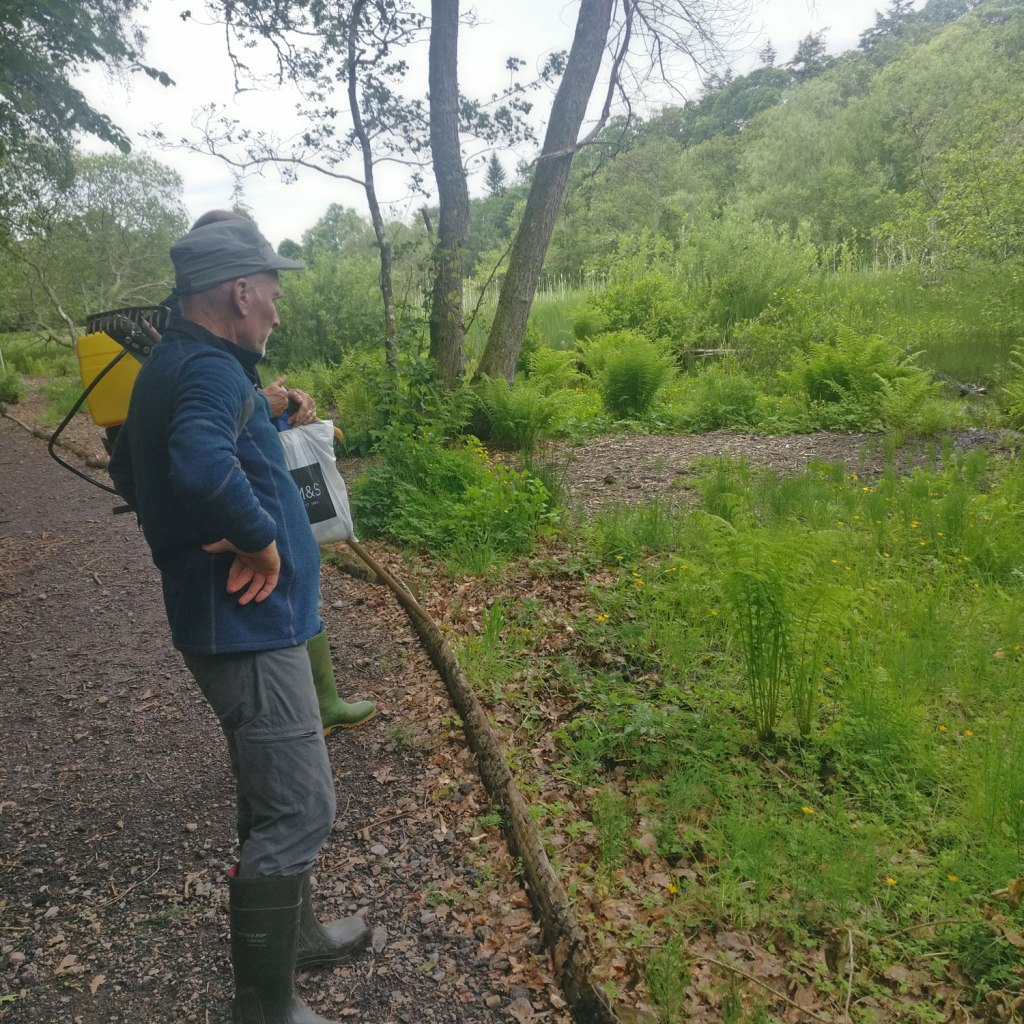
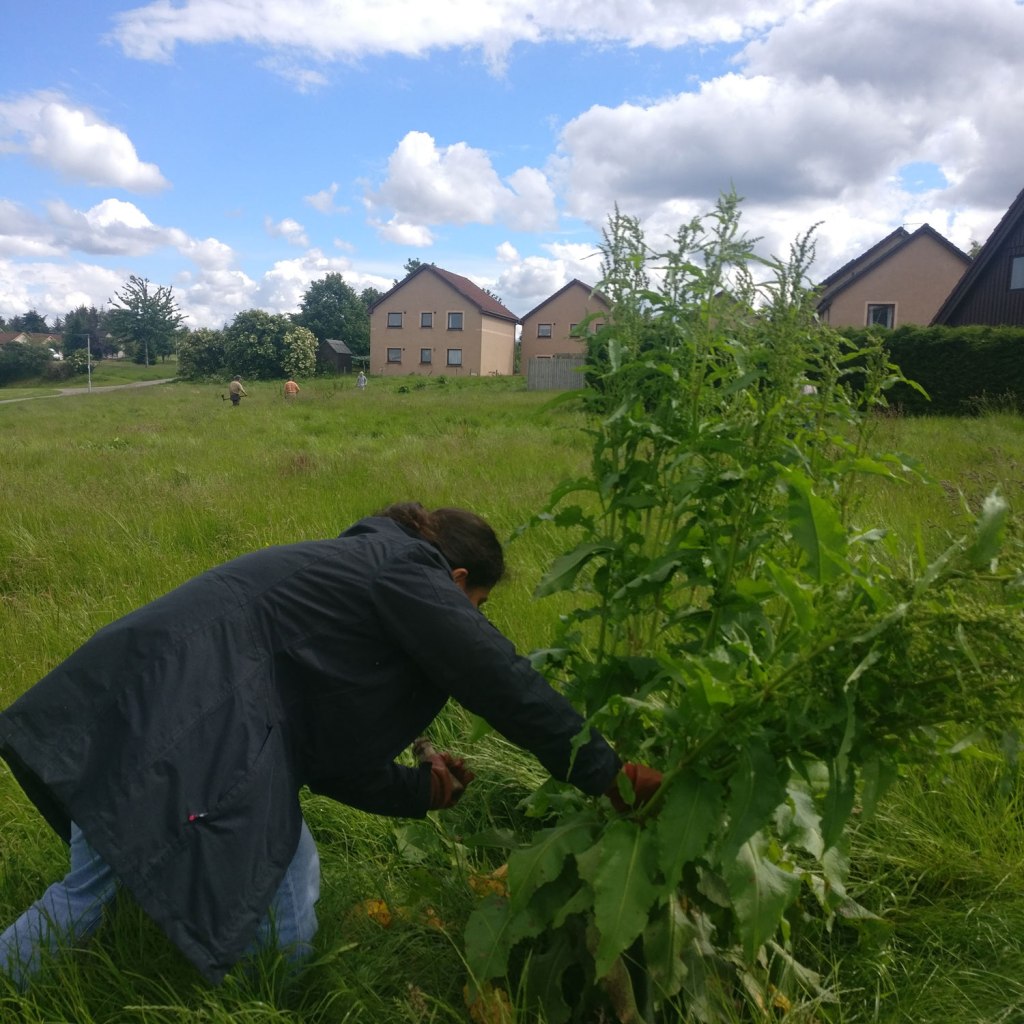
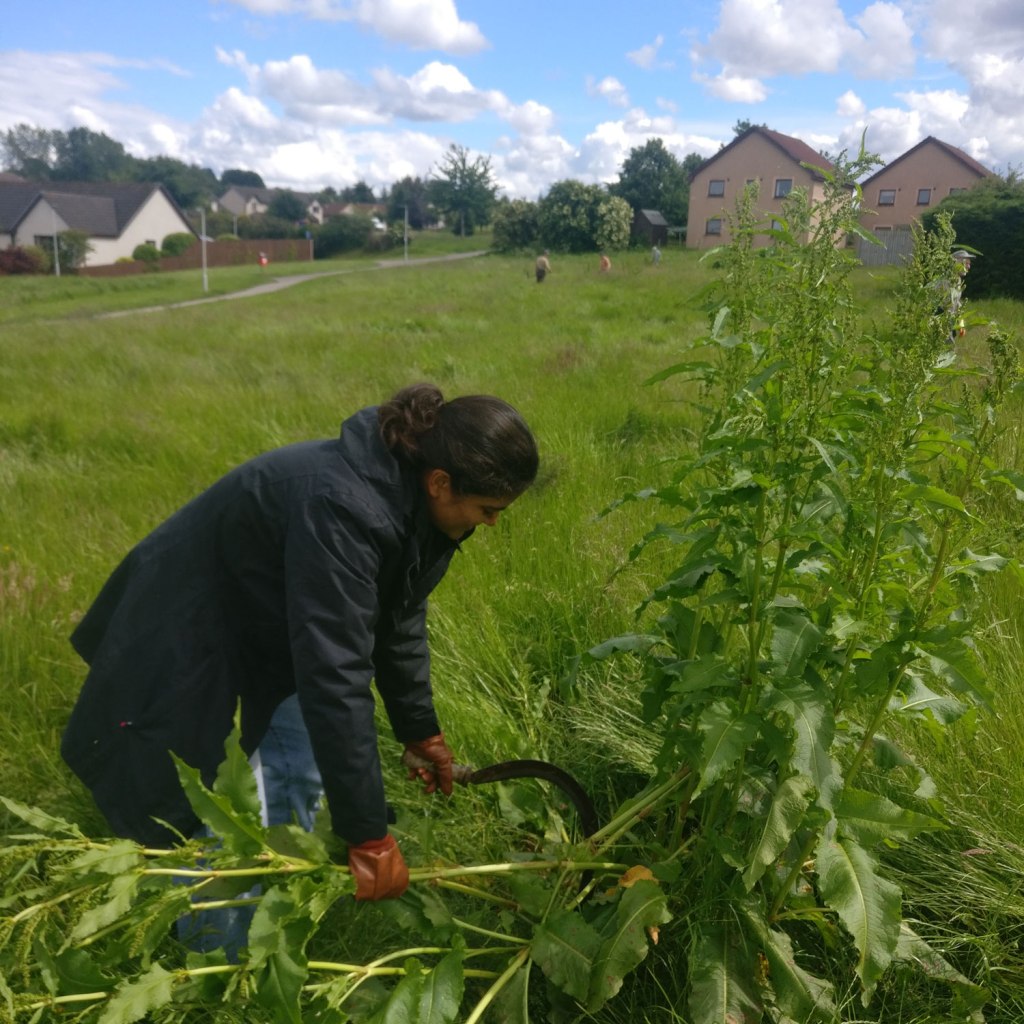
I job shadowed a group of conservationists sharing the importance of increased grass growth in open playgrounds as a means to support richer biodiversity. The purpose of this collaboration was to understand the impact on people unable to access open spaces, juxtaposing their perspectives with those of naturalists.
FURTHER INQUIRY
With a deeper understanding of the reasons behind different outlooks, I was interested in investigating the institution of these viewpoints. This engagement was focused on identifying different opportunities which can begin to bridge the gap in understanding of natural/semi-natural ecosystems.
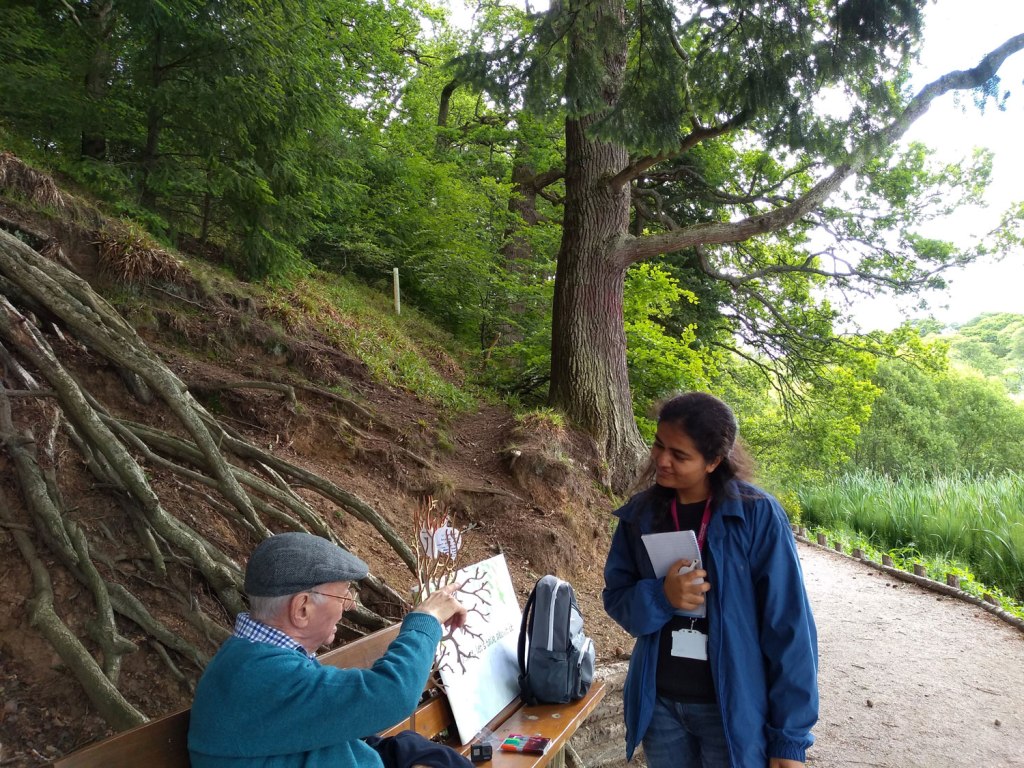
OPPORTUNITY SPECTRUM
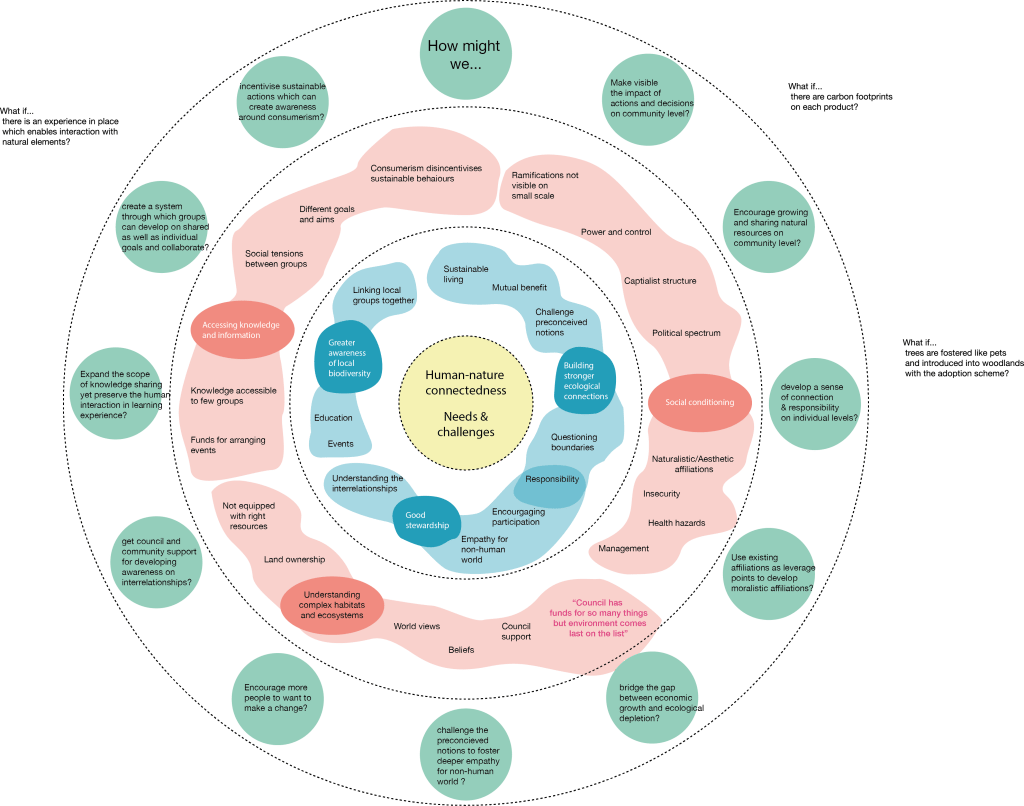
CO-DESIGN
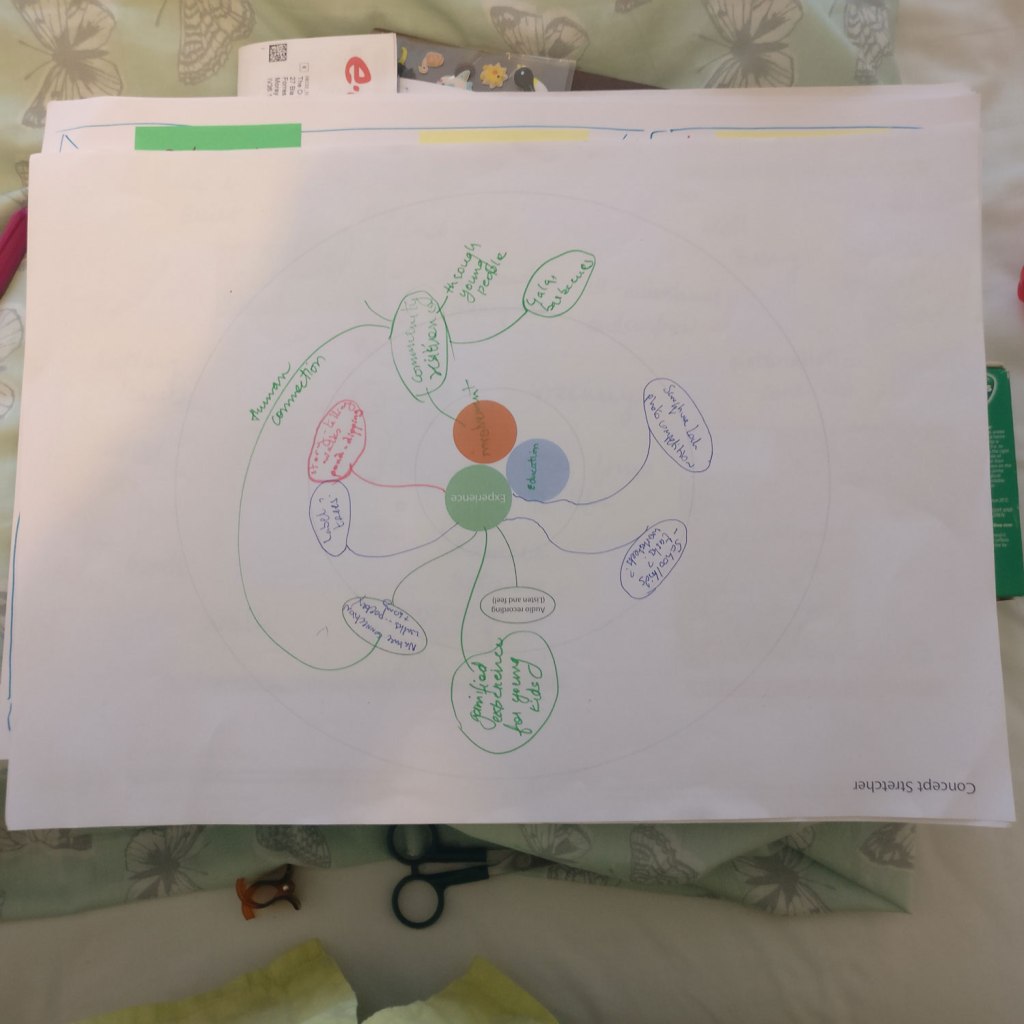
Based on identified opportunities the concepts were co-designed with different representatives from several community groups.
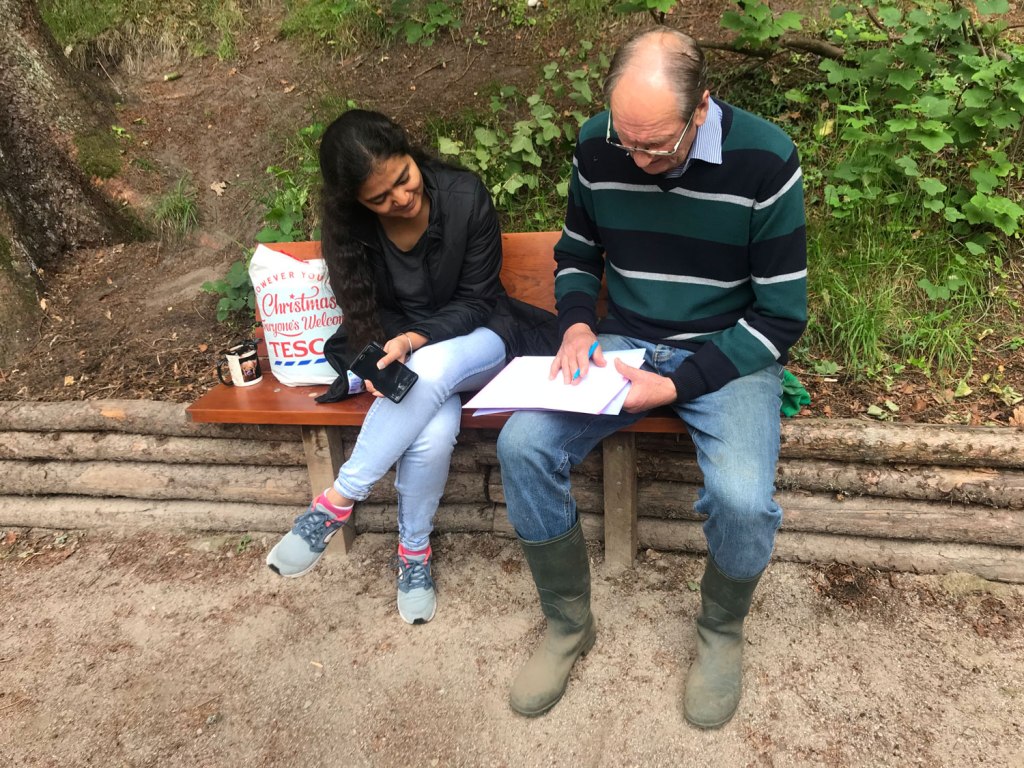
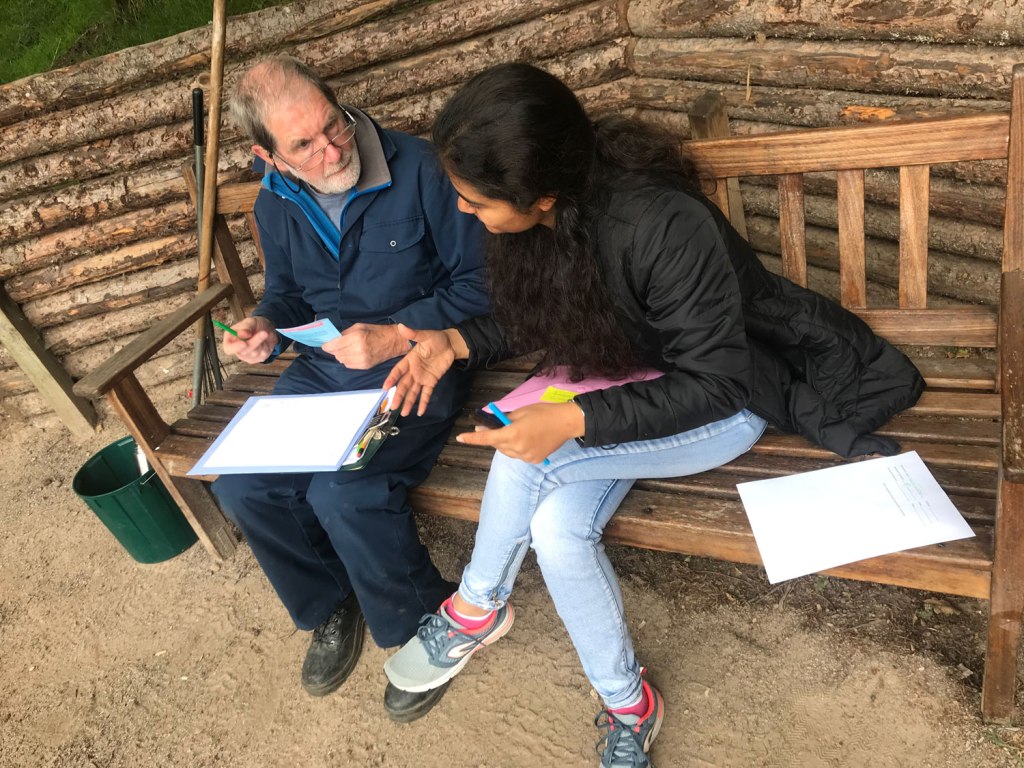
CONCEPT EVALUATION
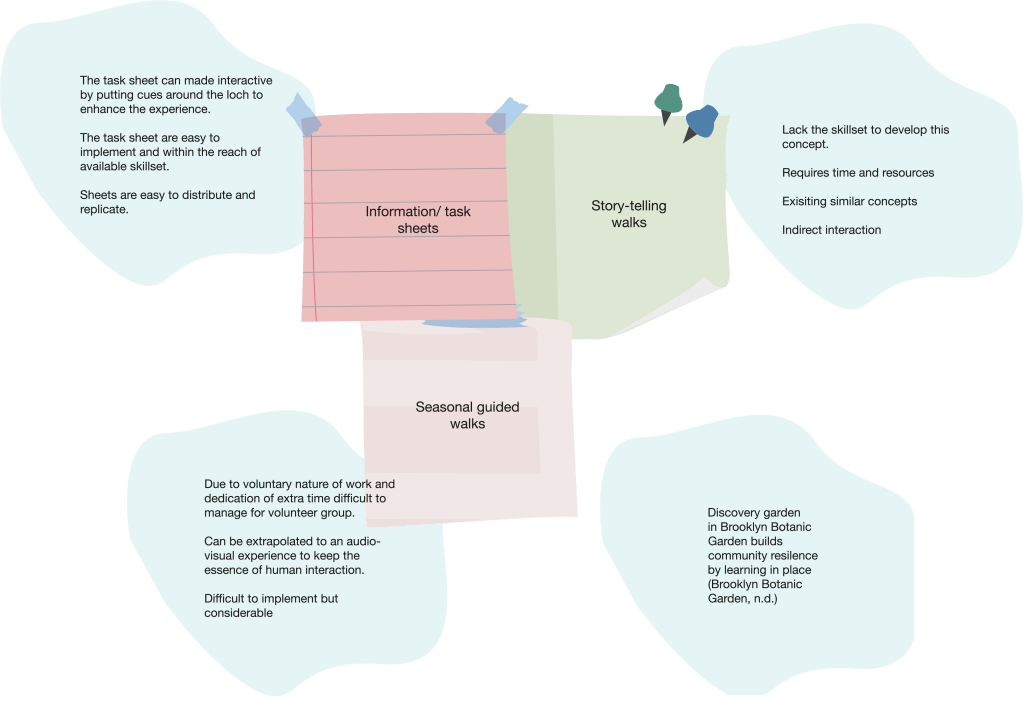
The shortlisted concepts were evaluated based on the estimated impact they can create within the community, their feasibility, skills required and time limitations.
The final concept evolved as an experience designed specifically around a loch/pond in Forres. As a part of the experience we created a series of videos which were linked with a set of experience cards.
PROTOTYPING & TESTING


CO-CREATION
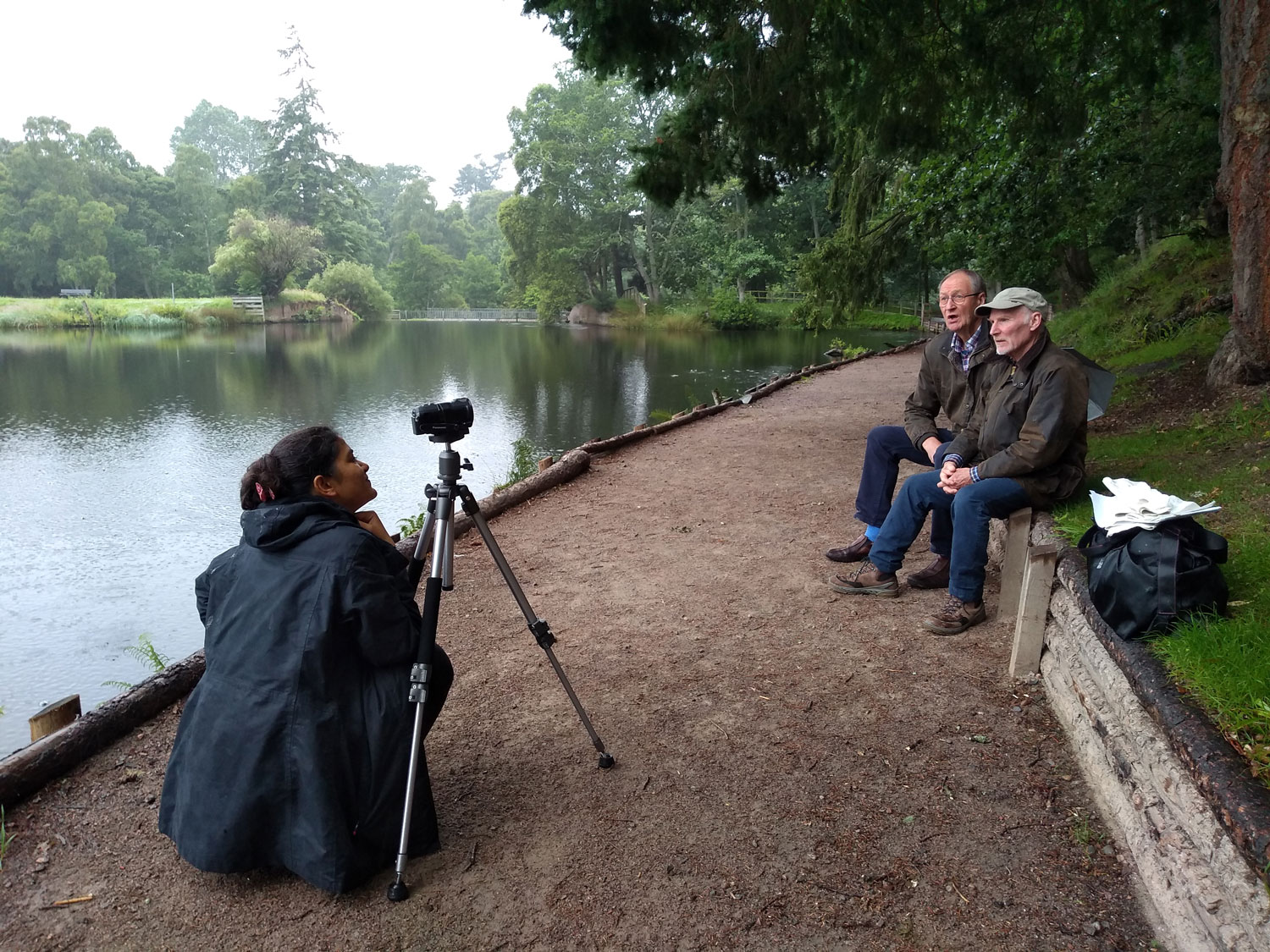
I created the video series in collaboration with participants from the volunteer group. The video series formed a part of the walking experience for people to better understand their surroundings and their interrelationships.

INTERACTIONS TO BUILD STRONGER CONNECTIONS
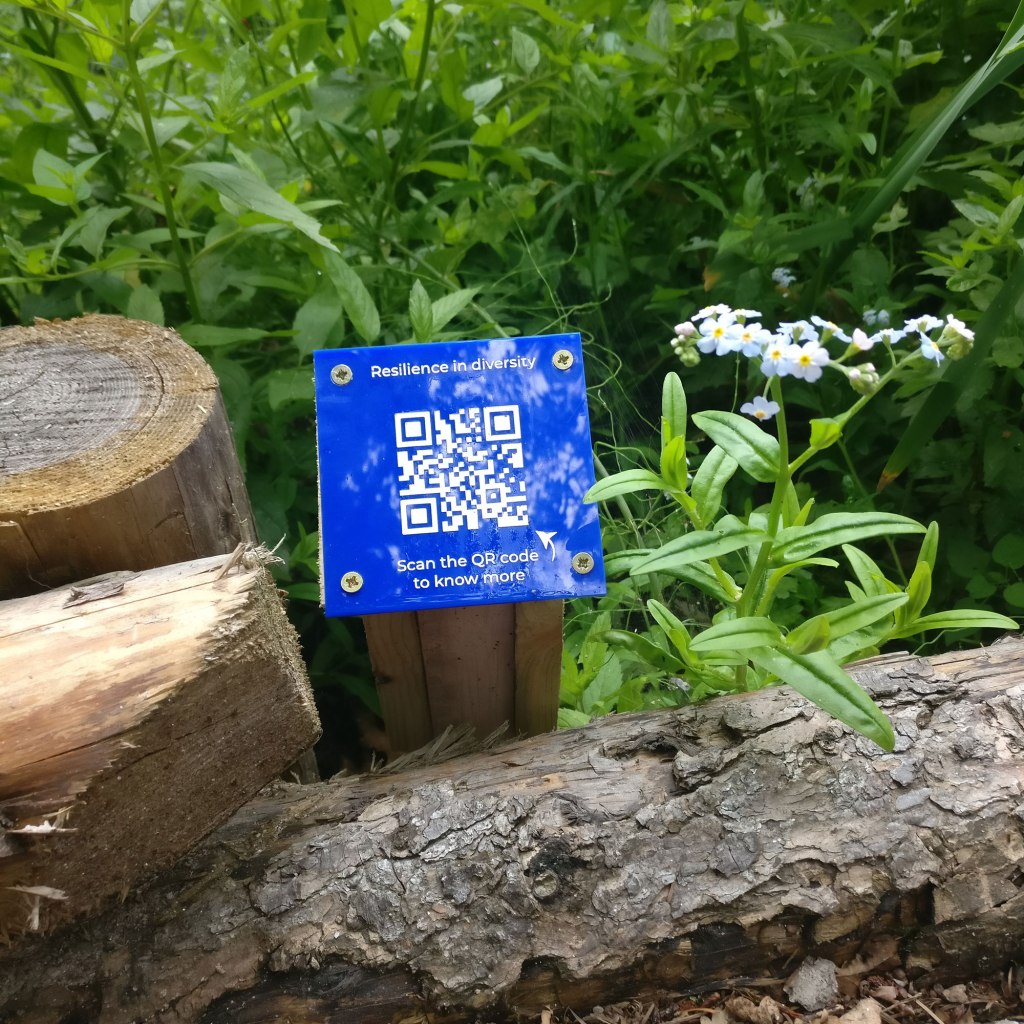
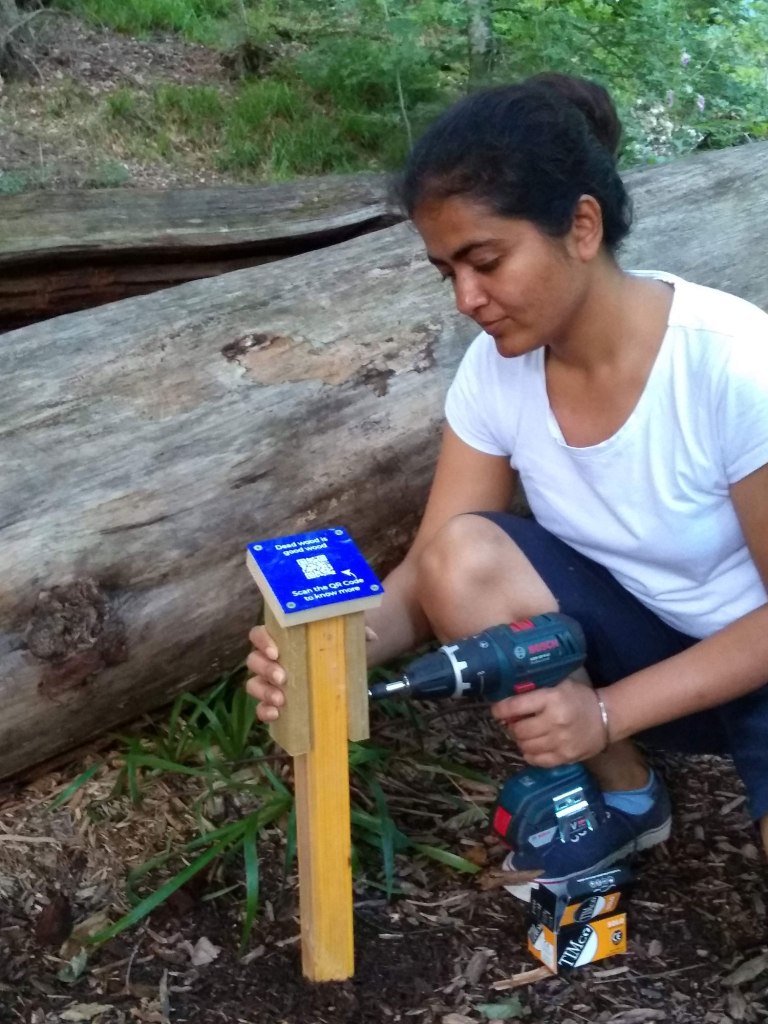
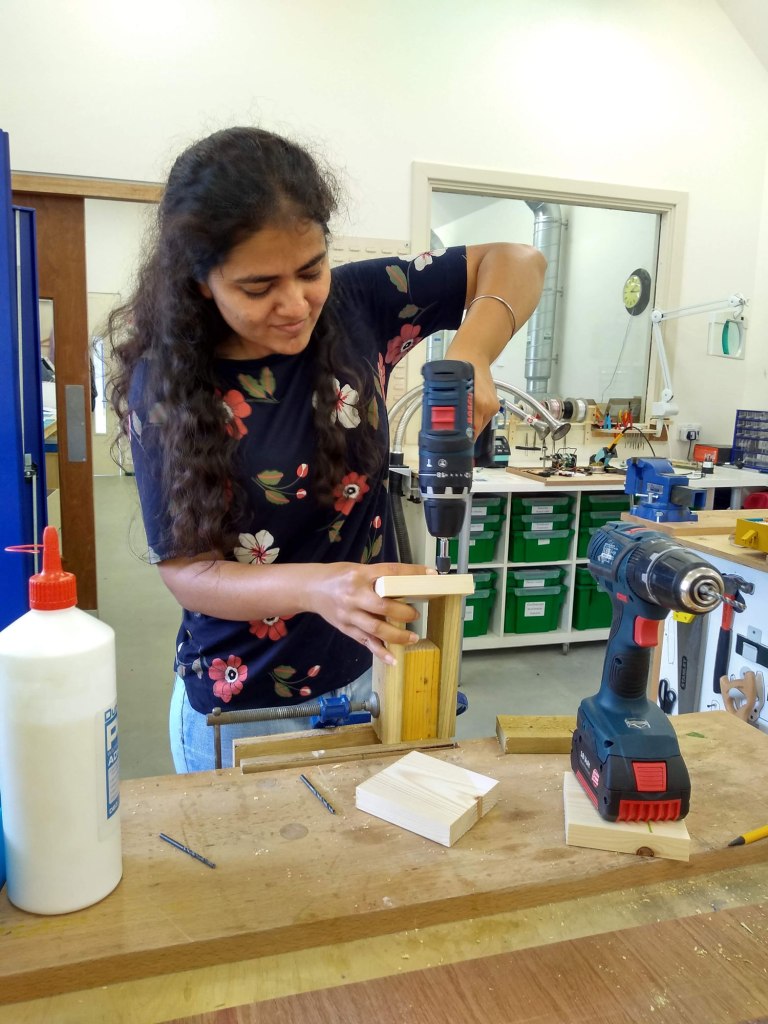
The outcome of the project was a set of experience cards encouraging engagement with nature by providing byte sized information, which were also linked with a video for further information. The videos were made accessible around the loch via QR codes plaques placed in context of video content around the loch.

 Isha Goyal