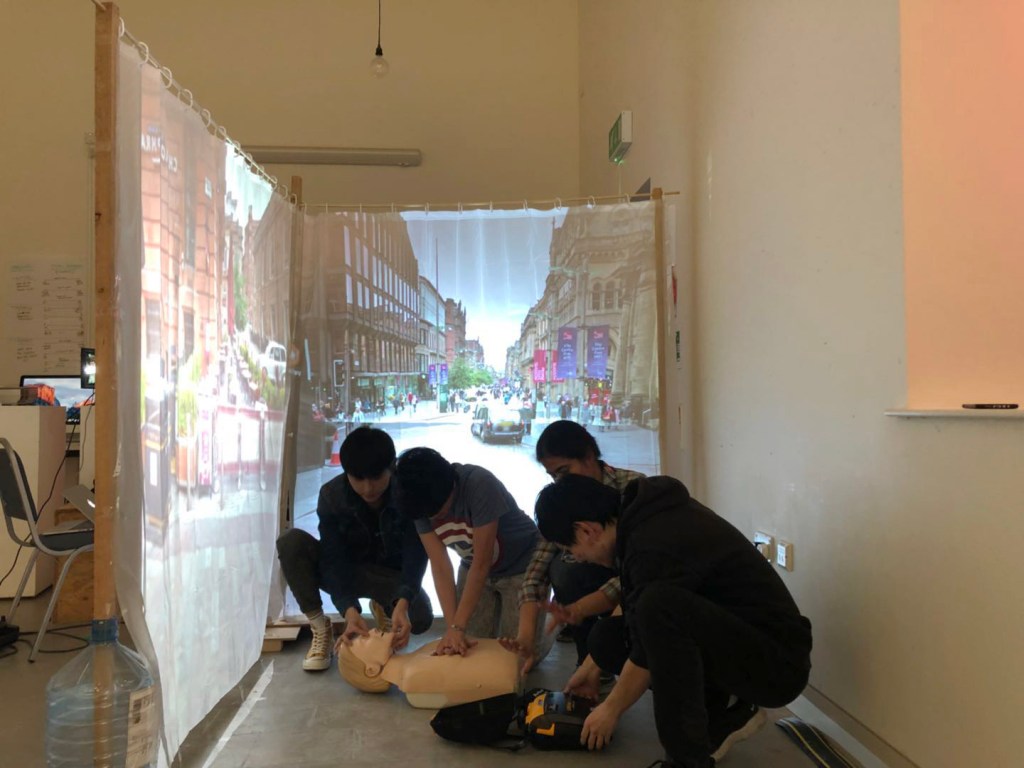
Call 999… follow the protocol… Don’t panic!… 30 compressions and 2 breaths… what is your location?… receive the ambulance…. take control… keep going… ask someone to retrieve the defibrillator…
Cardiopulmonary resuscitation is an emergency procedure devised to retain the blood flow and brain function through manual chest compressions and artificial ventilation in the event of a cardiac arrest. The process enables lay bystanders to assess the situation and respond quickly, increasing the chances of survival.
The project was a collaborative exploration with Norwegian manufacturer of medical equipments and medical training products, Laerdal as our key stakeholder to fabricate behaviour influencing ideas which can increase bystander participation in case of cardiac arrest.
SECONDARY RESEARCH
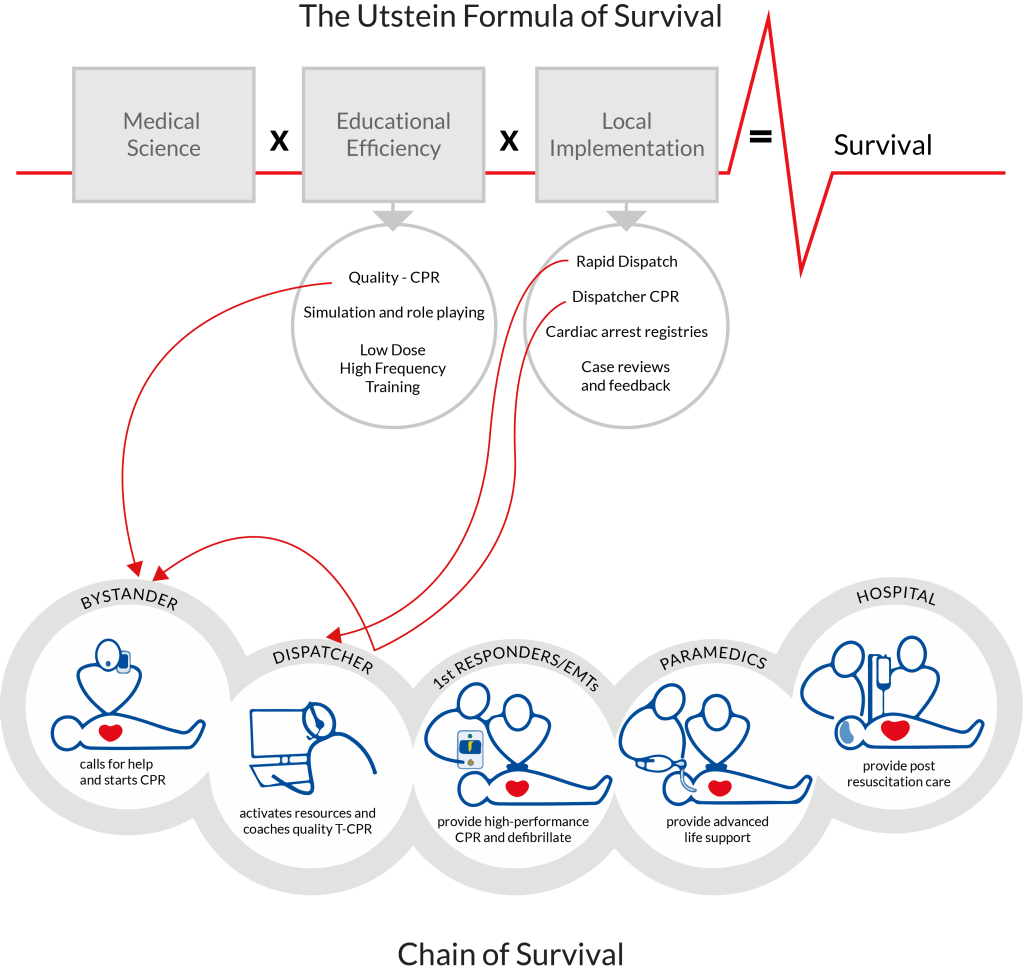
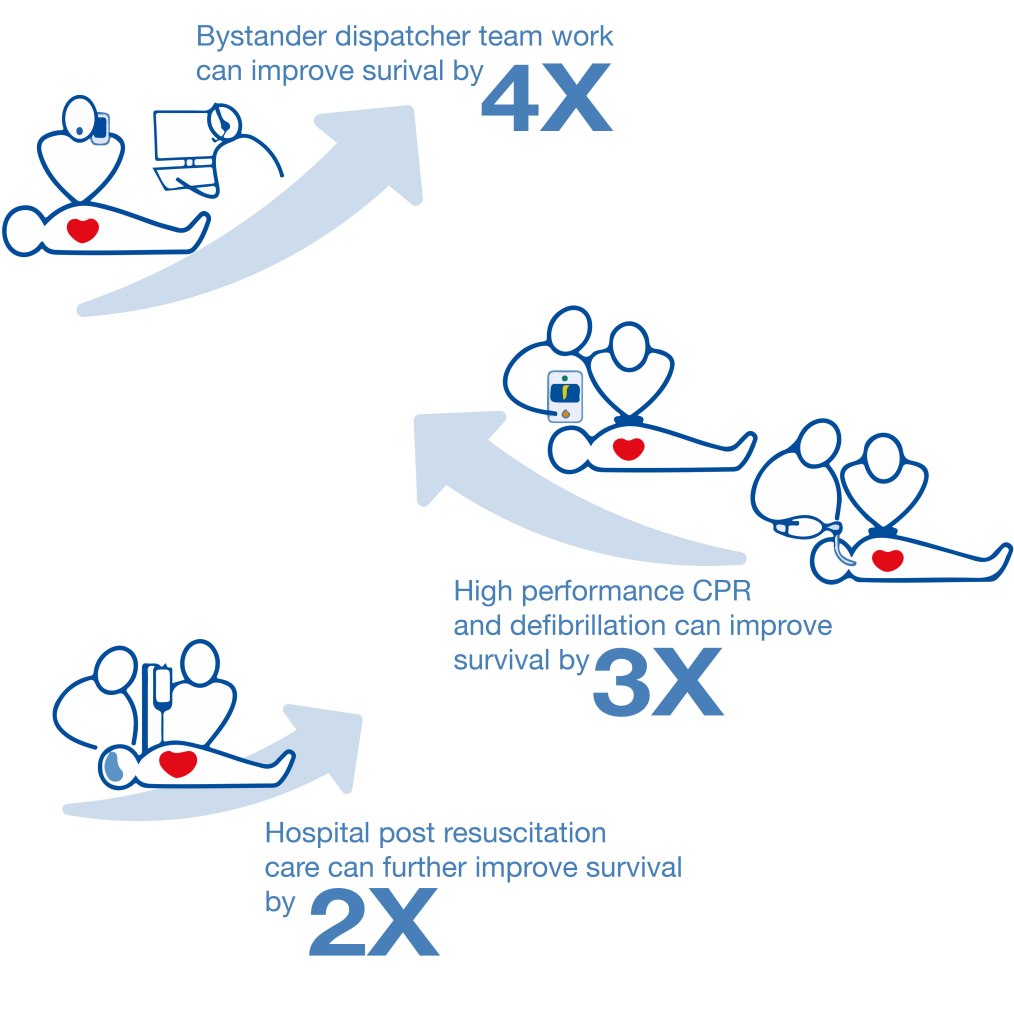
The initial links in Chain of Survival are key determinants of a person’s survival.
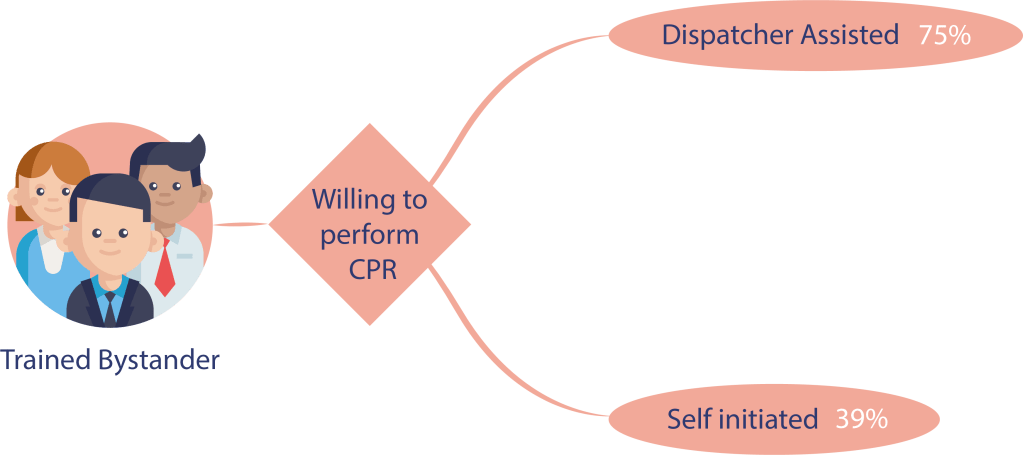
In case of a witnessed out of hospital cardiac arrest, the bystander has to perform and co-ordinate a number of actions which include resuscitation, asking someone to contact the emergency services, asking someone to receive the ambulance and the defibrillator, communicate properly with other lay bystanders. All these actions are a part of the training session but research shows many trained bystanders are still unwilling to perform CPR.
LEARNING FROM THE INSTANCES
Deconstructing different instances of out of hospital cardiac arrest which included both public place and at home scenarios gave us touchpoints for improvement.
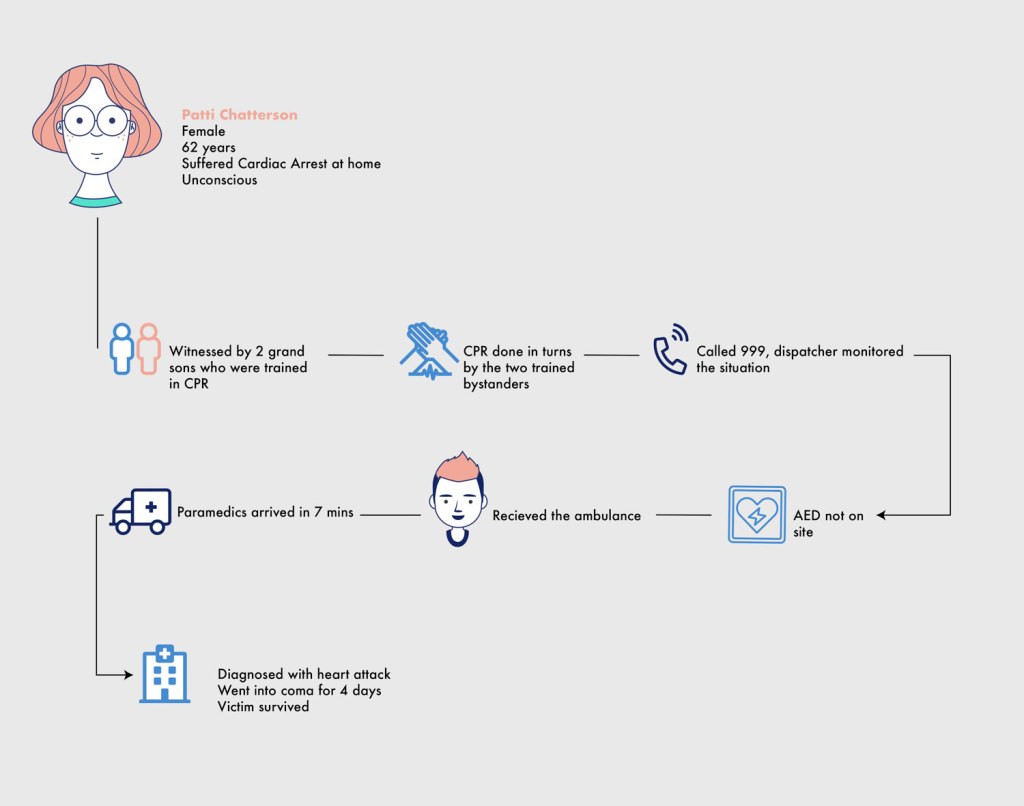
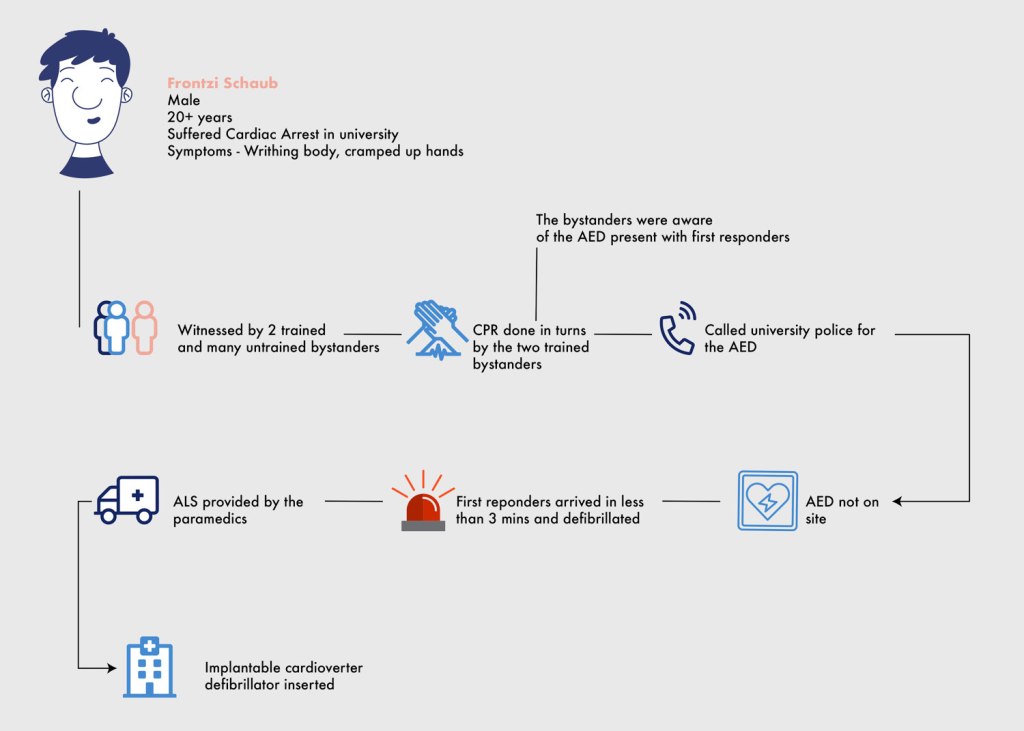

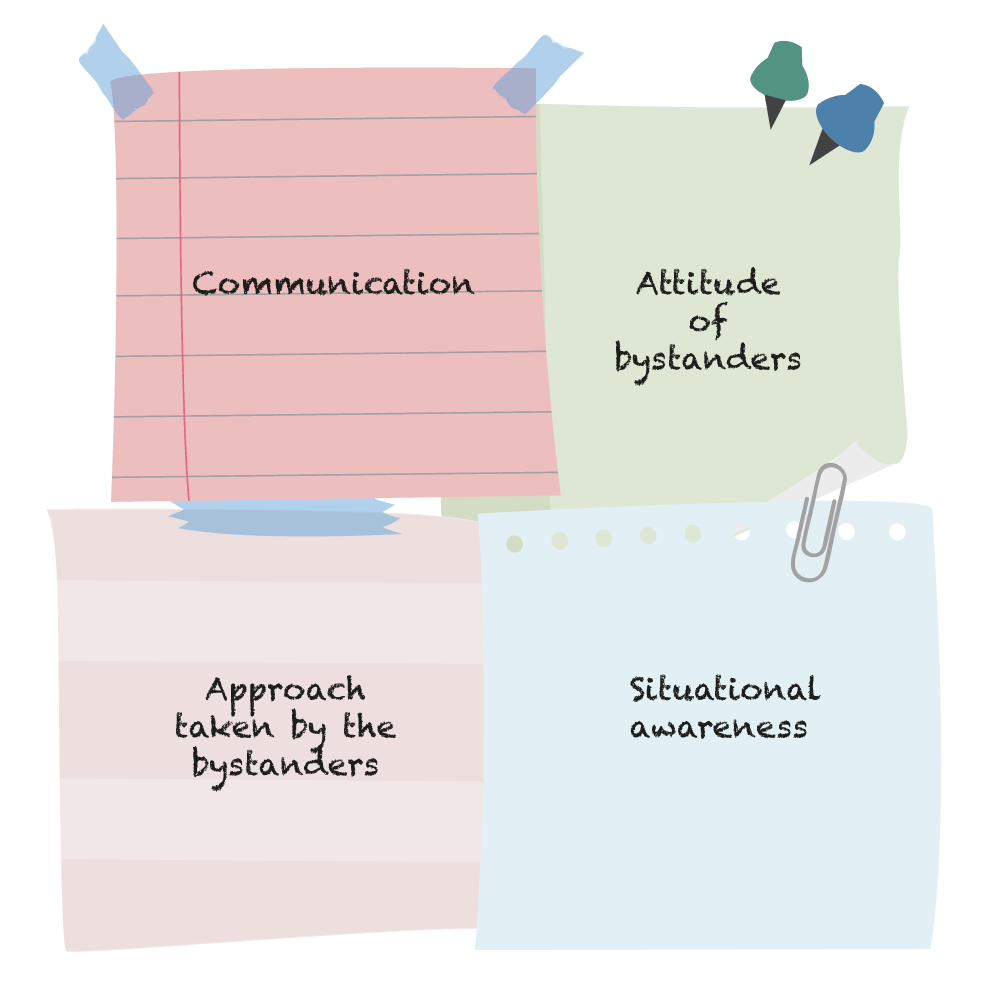
EMERGING THEMES
FIRST HAND EXPERIENCE OF TRAINING
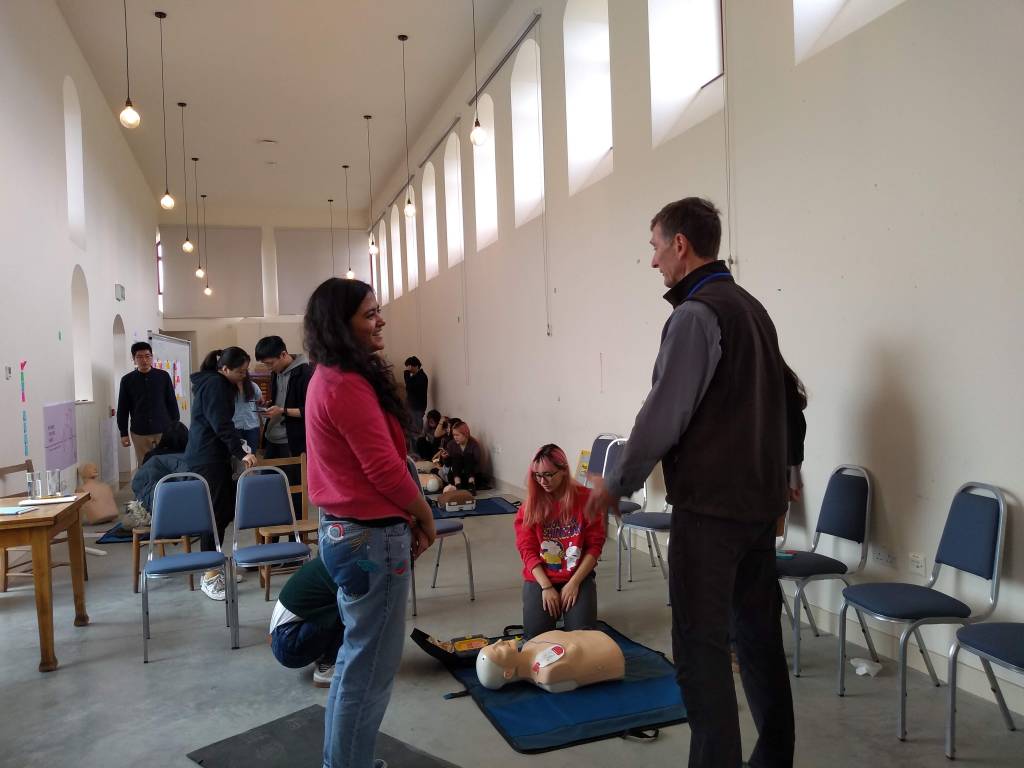
Based on our context scope we undertook first-aid training to better understand the process of training, the dynamics between volunteers while role playing, review the confidence levels in volunteers post training and the impact of familiarity with space settings. We observed that familiarity with each other and with the space makes the process of training less efficient and although the muscle memory is developed, the visual imagination of trainees is challenged when trying to enact a particular scenario.
LEARNING FROM THE TRAINED INDIVIDUALS
A part of our field research included interviewing individuals working at places like gyms, community centre, libraries and more to validate our findings and perceive their confidence levels.
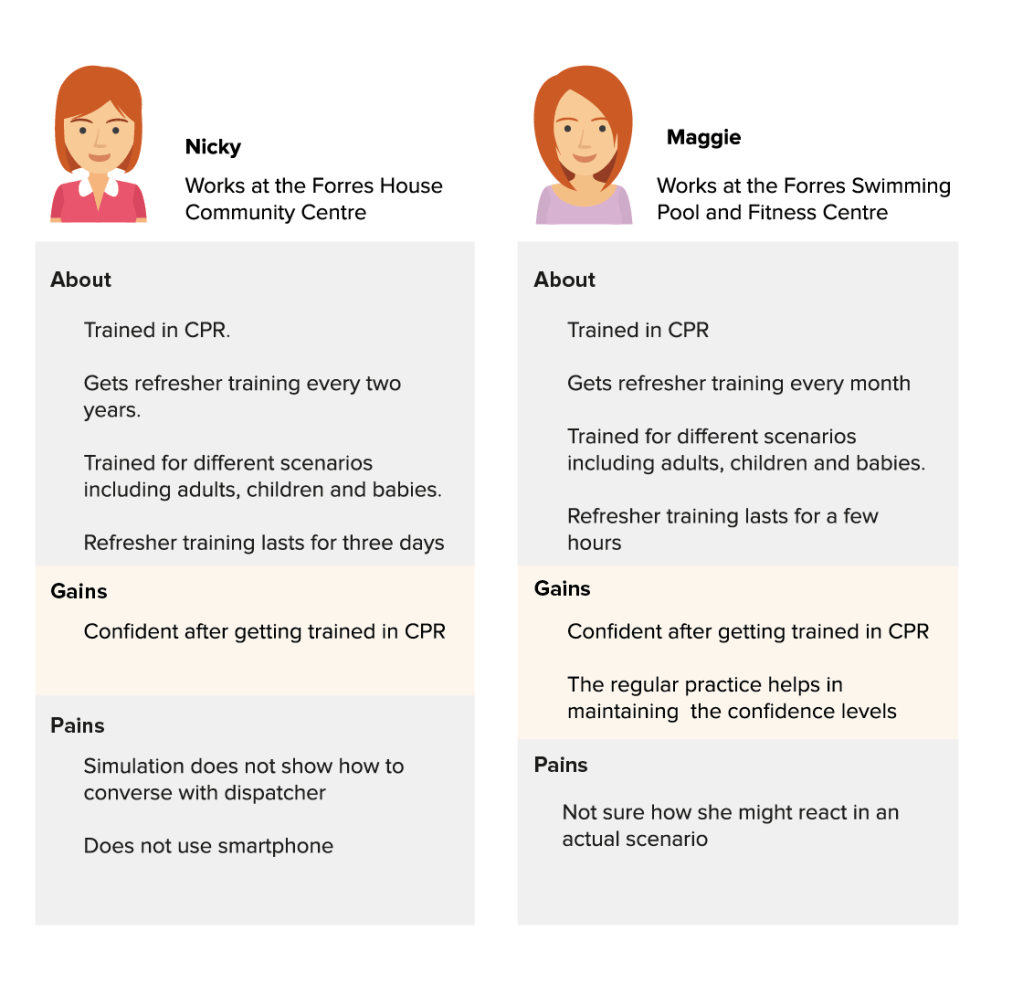
Through our investigation it was evident that bystanders trained once a year or once in two years had lower confidence levels than those trained every month. Moreover, the responsibilities of a bystander when facing the situation can be overwhelming as the real scenario is very different from a training setup.
COLLABORATING WITH LOCAL TRAINERS
Using generative research methods we collaborated with local CPR trainers to discuss our findings and co-design different concepts through which we can bring CPR training closer to reality.

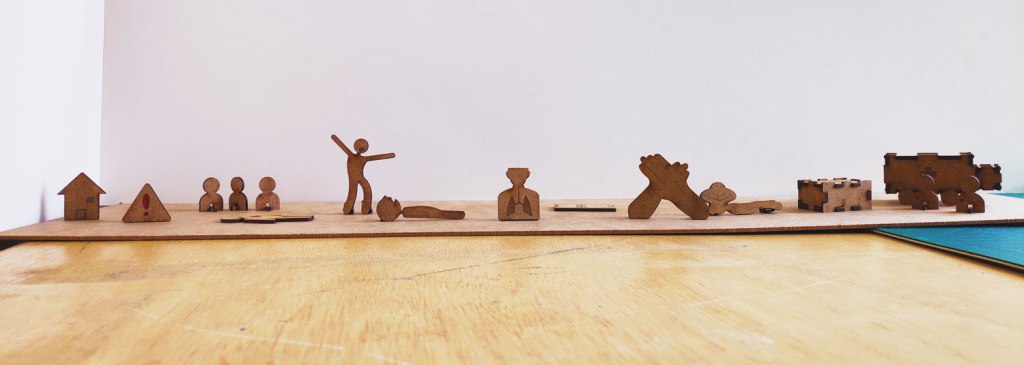
PROTOTYPING & TESTING
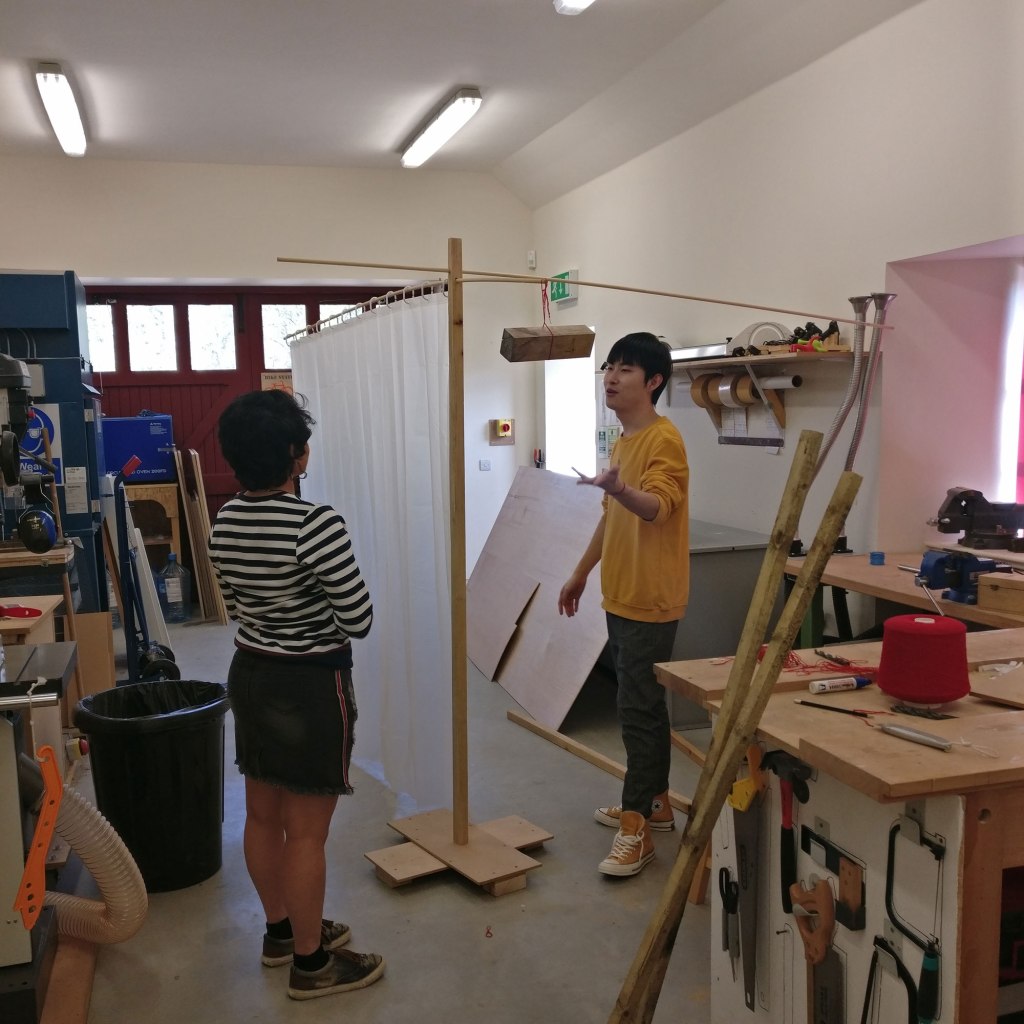
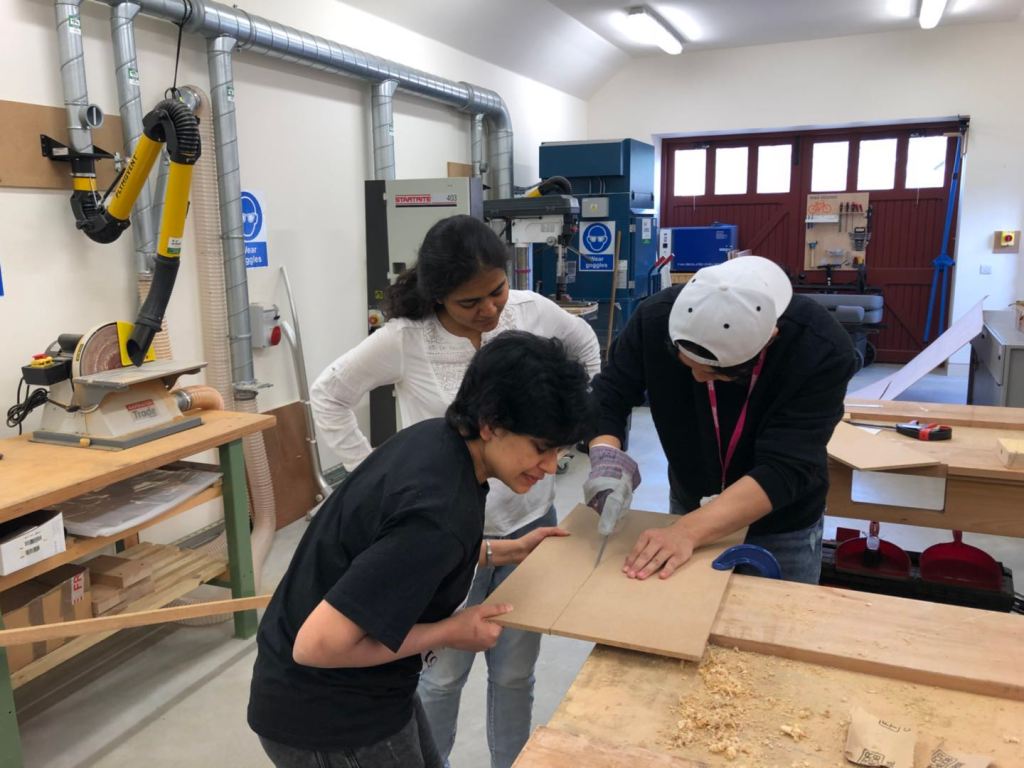
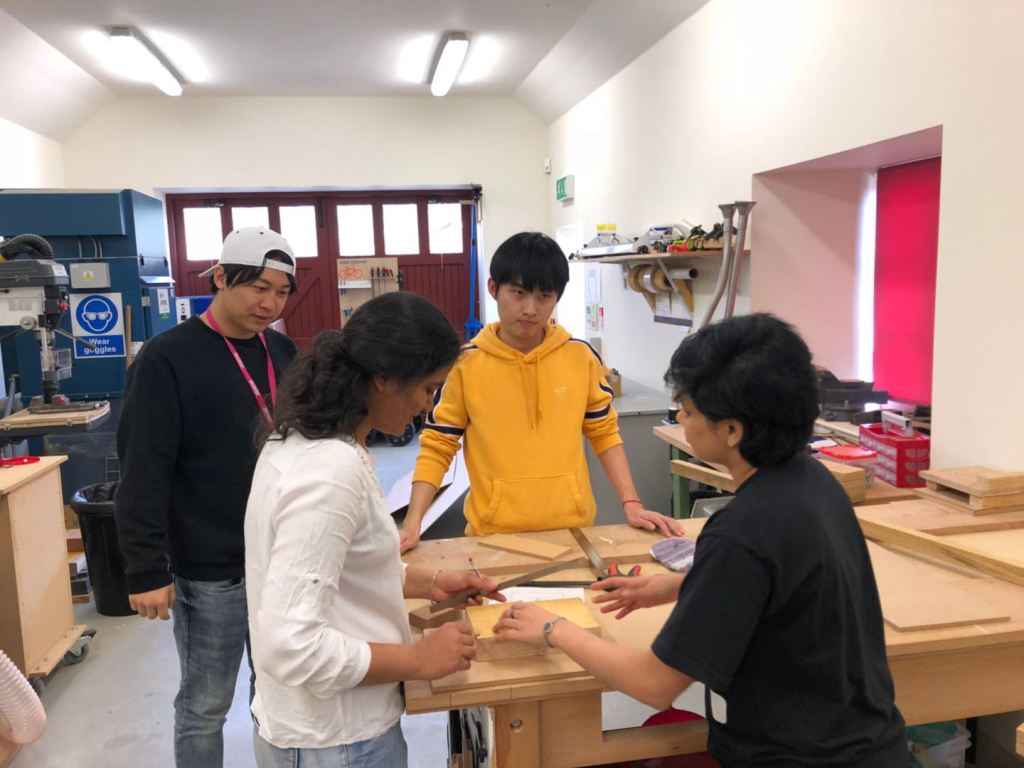
We sense-checked our first low-fi prototype with a nurse who shared the narratives from her past experiences and suggested further changes to improve the experience.

IMMERSIVE CPR EXPERIENCE
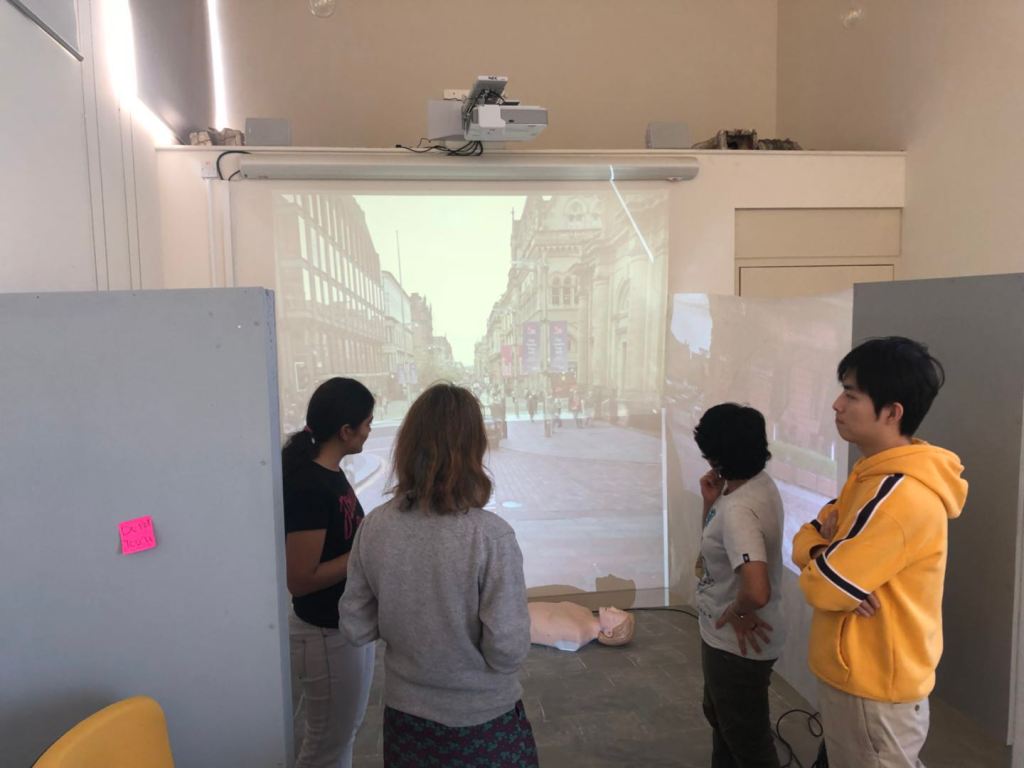
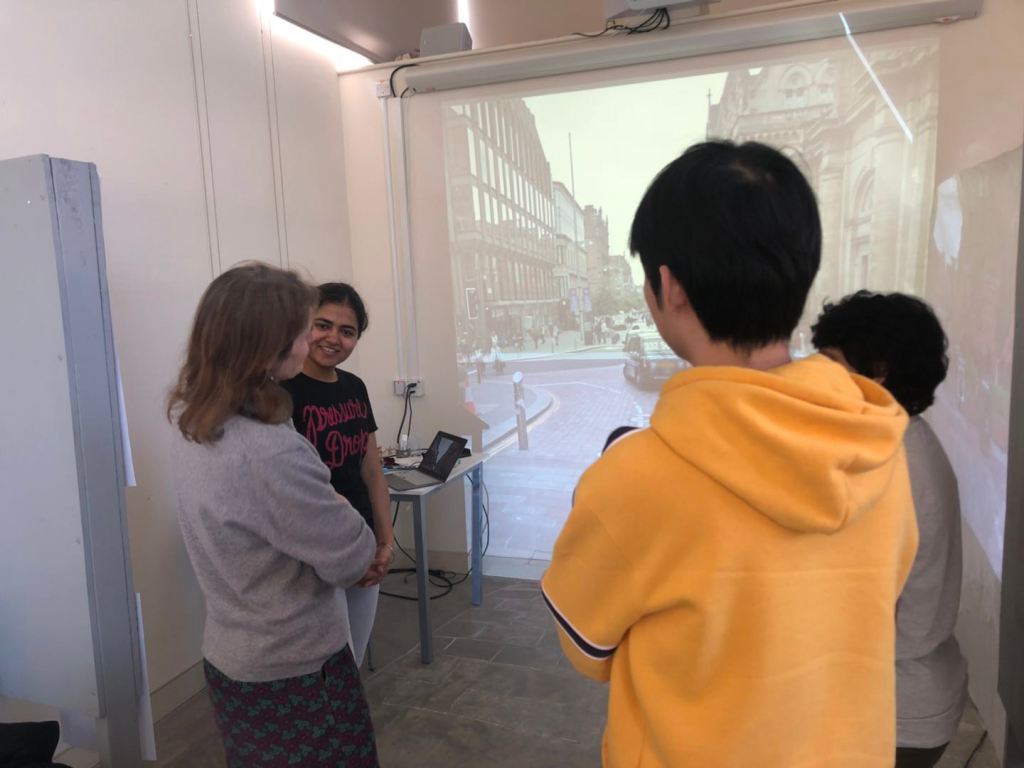
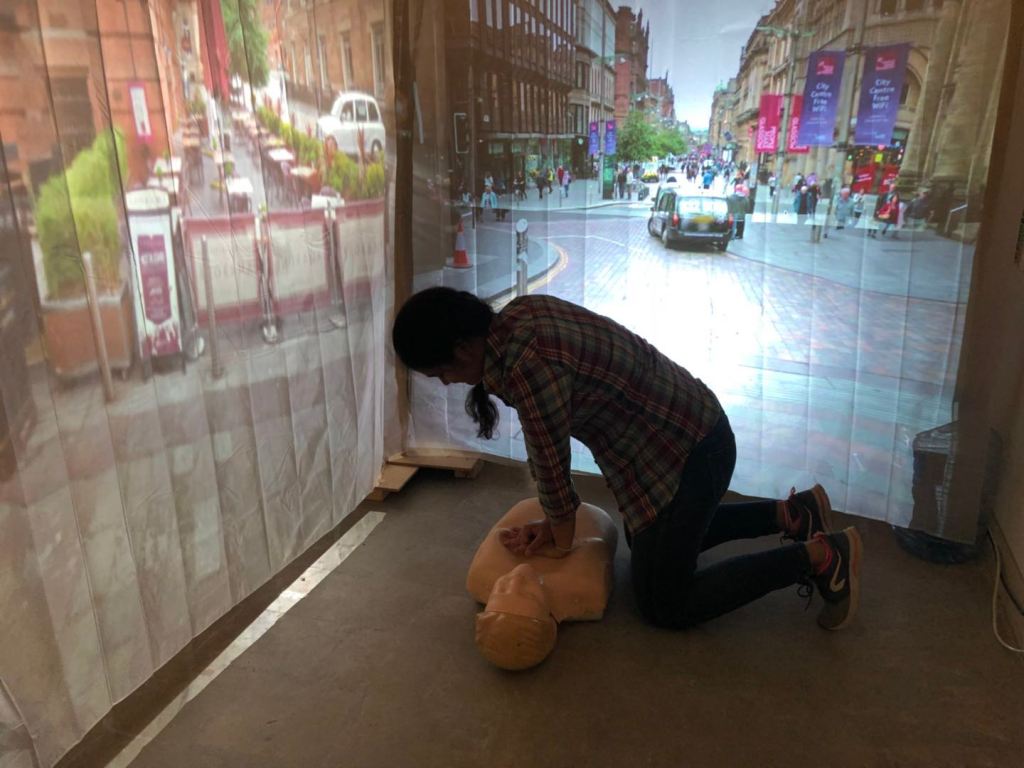
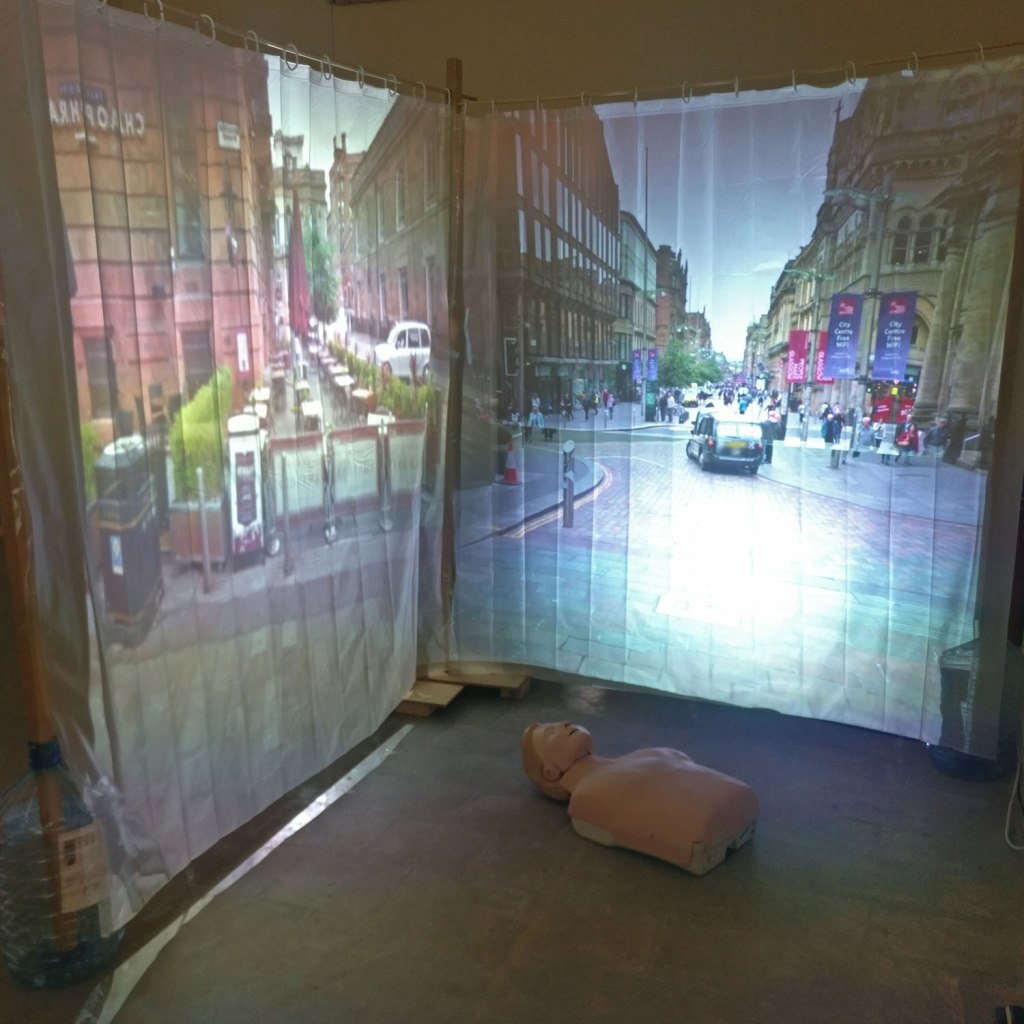
The research culminated in an immersive simulation to enhance the role play exercise of CPR training. This environment is capable of re-creating different scenarios like busy streets, music concerts, inside home and other situations with background noise/sound to test the response in a simulated environment aiding in the creation of visual memory.
 Isha Goyal